Seeing Only Part of the Picture: Why I Chose to Pursue Pelvic Health Education
My journey into pelvic health did not begin with a single defining moment or a lifelong plan to enter the specialty. It developed through a series of patient encounters that stayed with me—especially the times I could see how deeply pelvic-health symptoms affected someone but did not yet have the specialized knowledge to offer the comprehensive care the person was seeking. Again and again, I realized I was seeing only part of the picture.
A Brief Introduction—and Many Unanswered Questions
My physical therapy education included pelvic-floor anatomy, the purpose and function of the pelvic floor, common pelvic-floor disorders, and basic pelvic-floor muscle contractions. We used familiar teaching analogies, such as imagining the pelvic floor as an elevator rising through different levels. We were also told that pelvic-health physical therapists receive specialized training to perform internal examinations, which our program would not be covering.
Before this introduction, I did not even know pelvic-floor physical therapy existed. I had not experienced any of the conditions we discussed, and no one had ever confided in me about experiencing them. I therefore had very little personal context for what living with pelvic-floor dysfunction could feel like.
These conditions involved a private part of the body and could affect identity, confidence, relationships, and daily life. I began to understand how vulnerable, frightened, and isolated someone experiencing them might feel.
I also recognized that this introductory exposure had not prepared me to evaluate or treat these conditions comprehensively. Because I planned to practice in outpatient orthopedics, I assumed pelvic health would remain outside my professional path.
Pelvic Health Walked Through the Orthopedic Door
Once I became an orthopedic physical therapist, pelvic-health needs began finding their way into my work. Occasionally, someone would call the clinic looking for pelvic-floor therapy. When that happened, the front desk would often transfer the call to me so I could personally explain what I could and could not offer.
I could hear the worry and urgency in some callers’ voices as I explained that I could address certain concerns through an orthopedic approach, but I did not yet provide a comprehensive pelvic-floor evaluation. In our rural area, finding specialized care could mean traveling more than an hour to Santa Rosa—or potentially even farther, to San Francisco.
Pelvic-health concerns also appeared during treatment for seemingly orthopedic problems. One particularly important moment occurred while I was treating a patient for back pain. Pelvic-floor and abdominal contractions reproduced pelvic pain.
At that point in my education, I primarily associated pelvic-floor dysfunction with weakness and strengthening. The patient’s response made it clear that this explanation was incomplete.
I recognized that my orthopedic examination could not fully explain her presentation and that my treatment options were limited by my training. I needed to understand that pelvic-floor dysfunction can involve more than weakness, and that coordination, muscle overactivity, relaxation, breathing, pain, and the relationship between the pelvic floor and the rest of the body may all matter. That encounter stayed with me because it revealed the difference between knowing a few pelvic-floor exercises and being prepared to evaluate the person in front of me.
In another encounter, a patient referred for back pain repeatedly described bowel difficulties, abdominal pain, and discomfort with eating. These symptoms were exhausting and dominated his daily life.
Although I was treating his back, I wondered whether we were addressing the problem that mattered most to him—and whether my limited pelvic-health education prevented me from fully recognizing how his symptoms might fit together. I could not assume that every symptom was related, but I wanted the knowledge to ask better questions, recognize when specialized care might be appropriate, and help patients find the support they needed.
Personal Experience Deepened My Perspective
My perspective continued to change after I became a mother. Despite being a physical therapist, I felt surprisingly unprepared for some of the abdominal and pelvic changes that followed childbirth. My recovery progressed, but the initial uncertainty gave me greater empathy for patients who experience unfamiliar symptoms without knowing what is expected, what deserves further evaluation, or where to find help.
As I have moved through different stages of my own life, I have been reminded that pelvic and hormonal health evolve across the lifespan. People need opportunities to ask questions, receive accurate information, and discuss symptoms without embarrassment. These experiences have reinforced my belief that pelvic-health care is not limited to one diagnosis or one stage of life.
Choosing to Learn More
I eventually established my own practice with the goal of helping address this gap in my community. Even before I pursued advanced pelvic-health training, patients with pelvic concerns were still referred to me because local options were limited. I treated them using the orthopedic assessment, therapeutic exercise, movement, and education tools available to me, and some experienced meaningful improvement.
Those success stories mattered, but they made me want to understand more—not less. I wanted deeper knowledge to recognize what I might be missing and provide more comprehensive care.
Through continuing education, I have come to appreciate just how broad pelvic-health practice is. It can involve pregnancy and postpartum care, urinary and bowel dysfunction, pelvic pain, male pelvic health, pediatrics, neurologic conditions, concerns that arise throughout the lifespan, and much more. I remain intentionally in the process of developing my expertise, with respect for the education required and a commitment to practicing within my competence as I continue to grow.
That is why receiving the Academy of Pelvic Health Physical Therapy’s Rural PT/PTA Scholarship is so meaningful to me. Rural clinicians are often asked to serve as generalists while recognizing problems that require specialized knowledge. Additional training can help us ask better questions, identify when pelvic health may be contributing to a patient’s presentation, provide appropriate care within our scope and training, and make more informed referrals when specialized services are needed.
I want people with pelvic-health concerns to feel heard rather than dismissed, informed rather than frightened, and hopeful rather than ashamed. These conditions may feel isolating, but people deserve to know that they are not alone and that help may be available. My journey is still beginning, but it began for an important reason: too many people in my community were looking for care and finding too few places to turn.
Meet the Author
Aisha Leda Walls, PT, DPT
2026 APTA Pelvic Health CAPP Scholarship Recipient 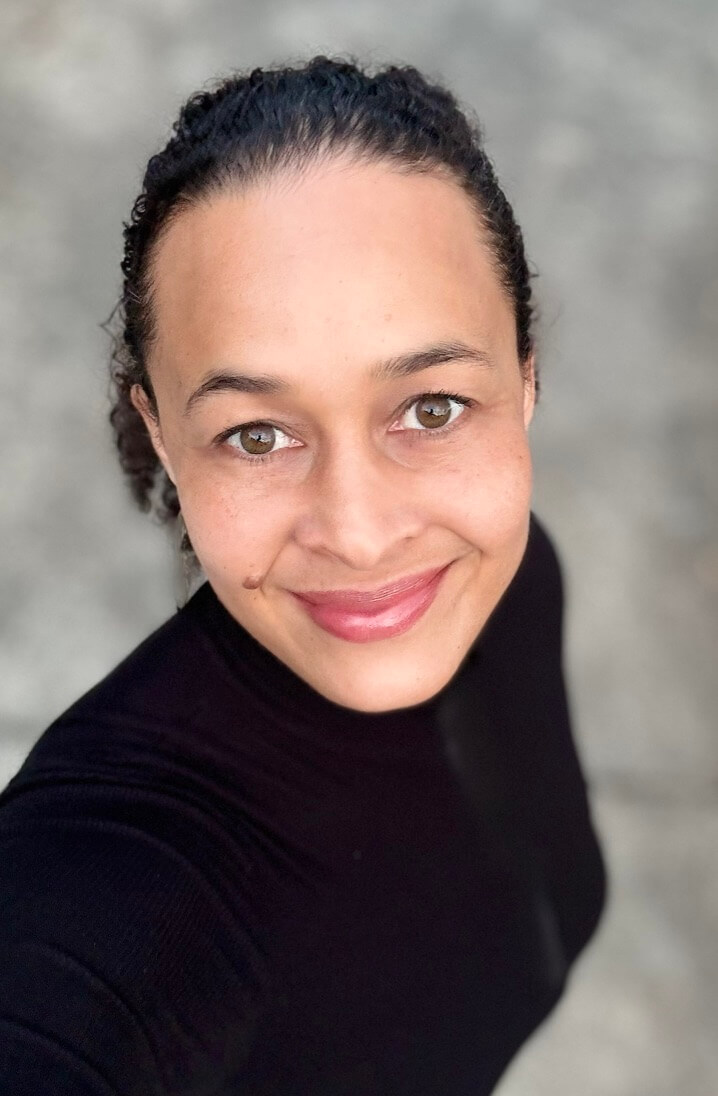
Aisha Leda Walls, PT, DPT, owns Loving Life Physical Therapy & Wellness, Inc., serving Ukiah and rural Mendocino County, California. She has more than a decade of experience in outpatient orthopedics and is pursuing advanced pelvic-health education to help expand access to care in her rural community. She is a 2026 recipient of the Academy of Pelvic Health Physical Therapy Rural PT/PTA Scholarship.