Promoting Excellence in Oncology Physiotherapy in the Modern Era
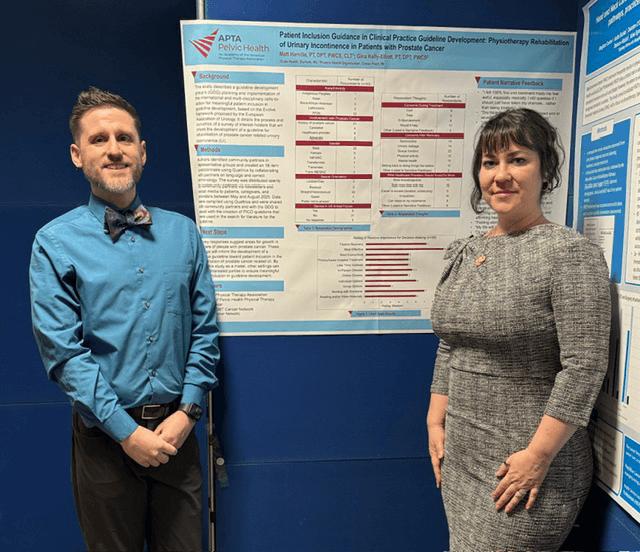
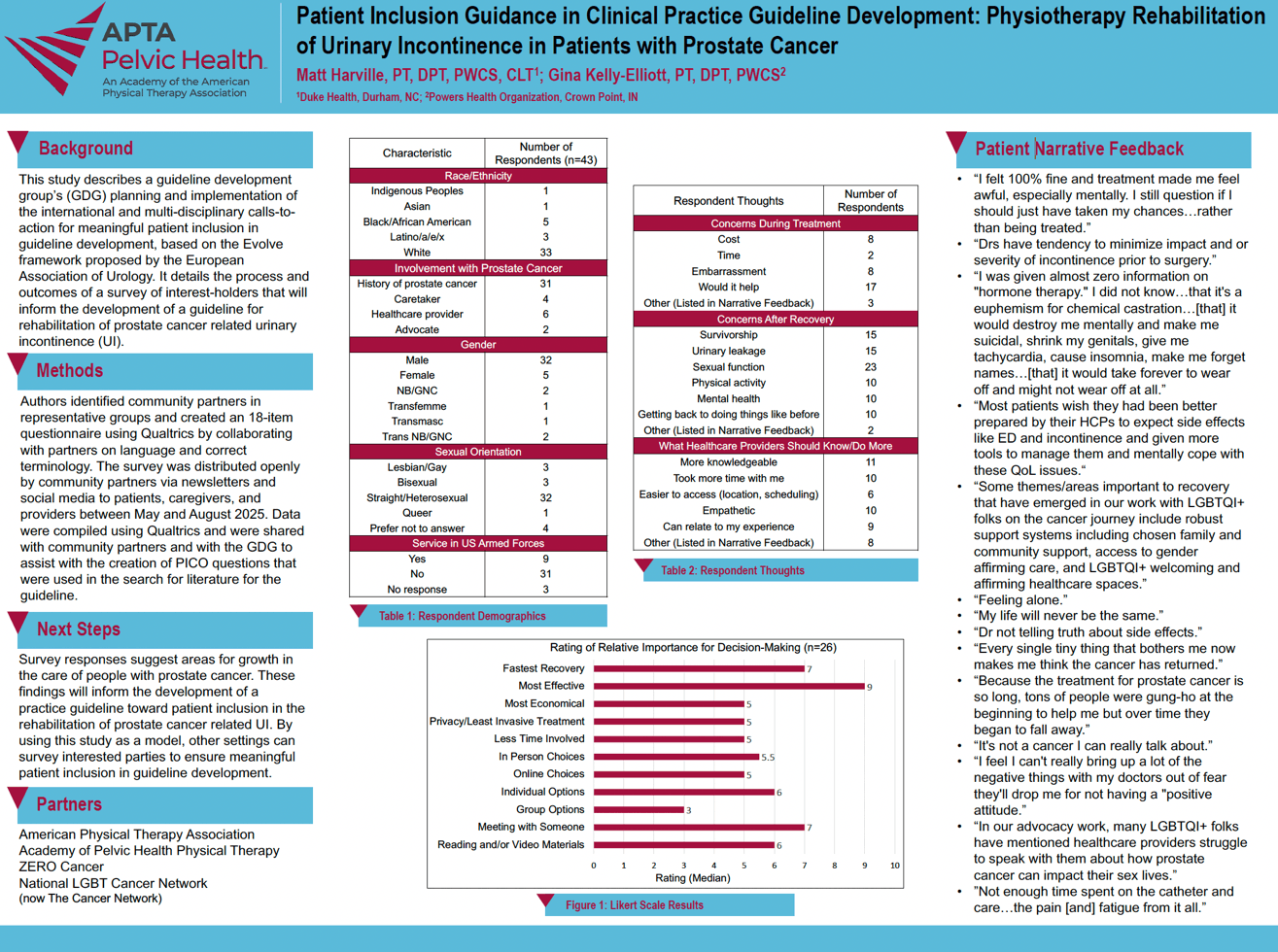
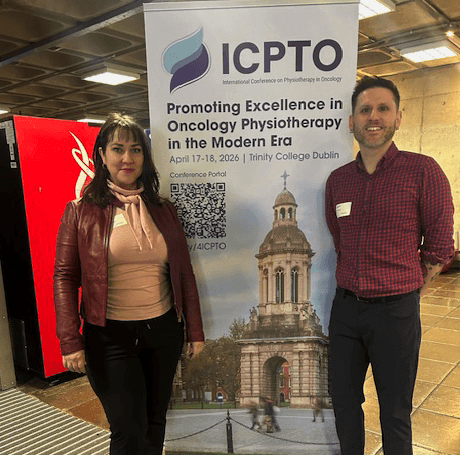
Thank you to the Academy of Pelvic Health for selecting Gina Kelly-Elliott and me for the 2026 Cross-Disciplinary Ambassador Travel Grant. With this funding, we were able to attend the 4th International Conference on Physiotherapy in Oncology in Dublin, Ireland, where we presented our poster “Patient Inclusion Guidance in Clinical Practice Guideline Development: Physiotherapy Rehabilitation of Urinary Incontinence in Patients with Prostate Cancer”. The overall theme of the conference was “Promoting Excellence in Oncology Physiotherapy in the Modern Era”.
Conference Poster
Conference Highlights
The conference is supported by International Physiotherapists for HIV/AIDS, Oncology, Palliative care Empowerment (IPT-HOPE) and brought together physiotherapists, educators, reseachers, and healthcare providers from around the world to discuss new and innovative ways to support cancer survivors. Many of the presenters discussed the importance of rehabilitation across someone’s cancer journey, including during treatment and after. There was discussion on how technology is evolving the approach physiotherapists take when evaluating prognosis and treatment options, especially in the treatment of lymphedema.
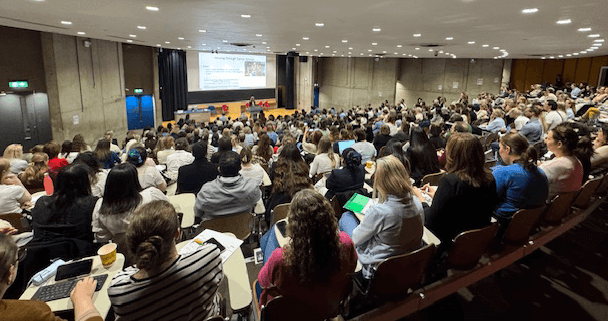
Dr. Stephanie Bernard, PhD, PT presented approaches to improving continence recovery following radical prostatectomy by using ultrasound imaging to optimize pelvic floor muscle training in her presentation titled “Guided by Imaging: Integrating Ultrasound into Pelvic Floor Muscle Training in Individuals Undergoing Prostate Surgery”. As many of us know, use of ultrasound imaging can be helpful to enchance assessment accuracy, support individualized rehabilitation programs, and ultimately lead to more targeted, personalized, and effective care for men recovering from prostate cancer surgery. Her presentation will likely increase awareness to countries that may not be aware of this technology.
An interesting poster that was next to ours was by Lucinda Pidgeon and was titled “Brother 2 Brother, Man 2 Man: a culturally tailored exercise programme for black men with prostate cancer”. She created a novel support group dedicated to black men living with prostate cancer, their loved ones, and caregivers. This study gives support to ensuring that barriers and isolation are reduced, especially for marginalized populations. The researcher posits that wider implementation could help reduce inequalities in access to supportive cancer care.
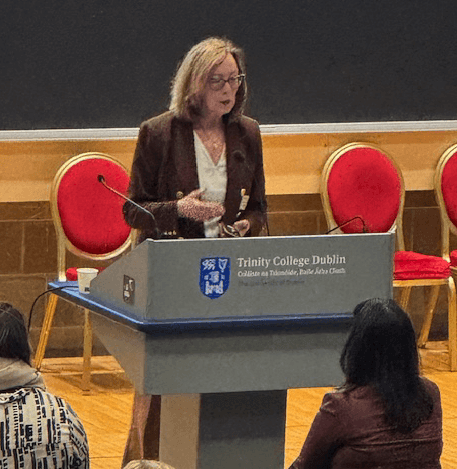
Another impactful talk was by one of the keynote speakers, Dr. Louise Koelmeyer, BAppSc(OT), PhD. In her talk titled “Innovative Advances in Lymphedema Management to Personalize Care”, she discussed the amazing things they have available for cancer survivors in Australia. They have started integrating a program that creates a model that allows for prospective surveillance and early intervention in breast cancer rehabilitation.
By using indocyanine green lymphography, they have been able to detect stage 0 and early stage 1 lymphedema in breast cancer survivors. Further, they have been able to map lymphatic pathways that have been more effective for lymphatic drainage. While this specialized imaging is not currently covered by their insurance, Australia offers a rebate for survivors who opt for the testing which makes it slightly more affordable. Hopefully this technology becomes more widespread in the coming years to better support cancer survivors.
Other interesting talks discussed exercise prescription in cancer survivors and ways to encourage and develop exercise programs using digital technology. There was also several talks involving treatment of chemotherapy induced peripheral neuropathy (CIPN). Katie Schmitt, PT, DPT, CLT, OncCS guided the audience through a self-foot massage that can be used on patients who have this complaint of CIPN in their feet. This massage was much needed after walking around Dublin for several days gaining over 20,000 steps each day! She explained the impact this massage can have with patients, including improving proprioception and improving blood flow to the area.
Reflections
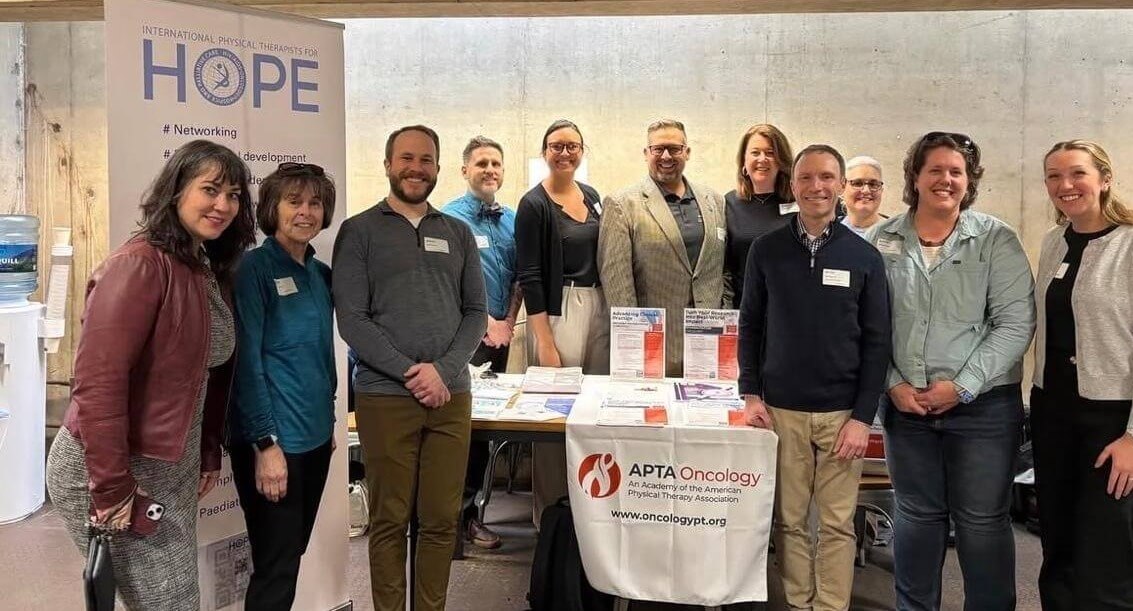
Overall, this conference was a great experience and I recommend it to anyone who treats in the oncologic space. It is fascinating learning from physiotherapists around the world to see what other countries are doing to improve the quality of life of cancer survivors. Members should engage with the IPT-HOPE. They frequently offer webinars from researchers and therapists around the world where members of the Academy can learn more about how to treat individuals with HIV/AIDS or cancer. The members of the APTA Oncology that were in attendance at the conference are pictured below. Many of these people also collaborate with IPT-HOPE!
Looking Ahead
The next International Conference on Physiotherapy in Oncology will be located in beautiful Grenada, Spain April 21-22, 2028. If you are interested in this population, or just want to network with therapists from around the world, keep this conference on your radar!
Thanks again to the Academy of Pelvic Health for the generous support to attend this conference!
Conference Venue
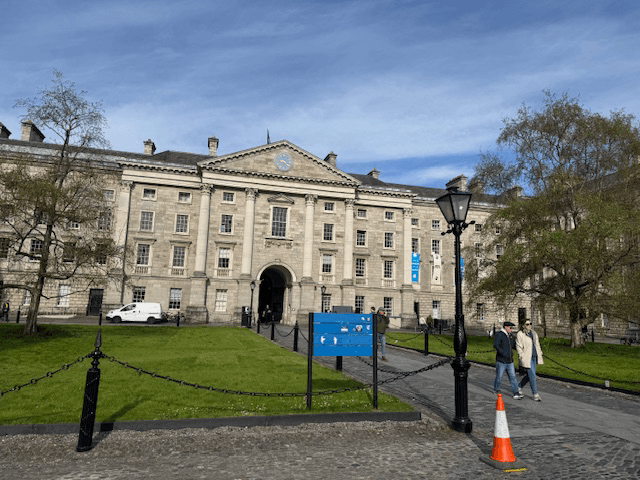
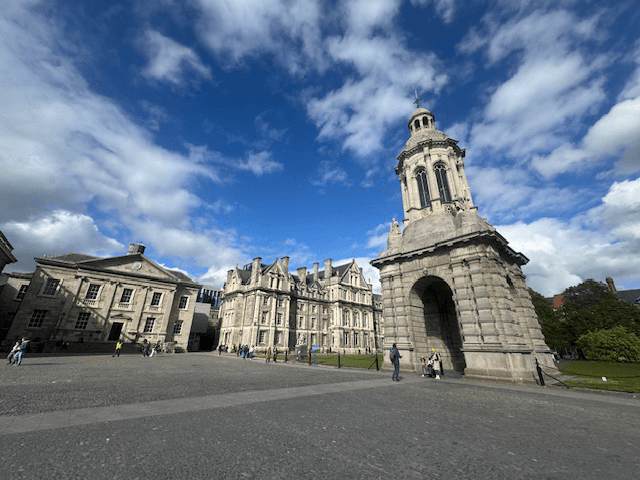
Pictures of Trinity College Dublin, where the conference was held:
🌍 Take Pelvic Health Beyond Our Specialty
The Academy's Cross-Disciplinary Ambassador Travel Grant empowers eligible physical therapists to share pelvic health perspectives in other healthcare spaces and foster meaningful interdisciplinary collaboration.