Only the Beginning: How a Scholarship Helped Shape My Pelvic Health Journey
Standing in a lab outside of Chicago, moments before performing my first supervised internal pelvic floor examination, I realized just how far this journey had brought me. Just two weeks earlier, these techniques existed only in my lecture manual. Now, they were becoming clinical skills that I will one day use to restore confidence, function, and quality of life for my future patients.
My interest in pelvic health began long before physical therapy school. Growing up, I watched women in my family quietly accept symptoms that were often dismissed as "just part of being a woman" or "normal after having children." Conversations surrounding pelvic health were often avoided, delayed, or never had at all. As I progressed through physical therapy school, and especially during the Pelvic Health Level 1 course, I began to understand just how debilitating pelvic floor dysfunction can be. Through the lens of the International Classification of Functioning, Disability and Health (ICF), I learned that conditions such as urinary incontinence, pelvic pain, pelvic organ prolapse, and bowel dysfunction affect far more than the body. They can influence work, exercise, relationships, social participation, and overall quality of life. That realization shifted my perspective. Pelvic health physical therapy is not simply about treating muscles. It is about restoring participation, confidence, independence, and quality of life. For me, pelvic health sits at the intersection of science, movement, advocacy, and compassion, and that is what continues to draw me toward this specialty.
As a former collegiate athlete, I have always been fascinated by movement and human performance. Earlier this year, I attended the Ohio Physical Therapy Association Annual Conference, where Becky Parr, PT, DPT, DHSc, OCS, Cert. DN, CAPP-OB, presented on pelvic health physical therapy within athletic populations and highlighted the current gaps in research. That lecture broadened my perspective and challenged my assumption that pelvic health physical therapy primarily centered around pregnancy and the postpartum population by highlighting the broad range of individuals who can benefit from specialized pelvic health care. As I continued through the Level 1 course, I found myself even more excited by just how expansive the field truly is and eager to continue exploring where this specialty can take me.
Receiving the National Association of Black Physical Therapists (NABPT) CAPP Pelvic Health Scholarship made that curiosity feel even more attainable. The opportunity allowed me to participate in the Level 1 Pelvic Health course through the Academy of Pelvic Health Physical Therapy, beginning with the webinar portion and culminating in the hands-on laboratory experience in Chicago. I am incredibly grateful to both organizations for investing in students and expanding access to advanced pelvic health education.
As a Black woman pursuing physical therapy, this opportunity carries special significance. Black physical therapists remain significantly underrepresented within our profession, and specialized fields such as pelvic health have even fewer clinicians who reflect the communities they serve. At the same time, Black women continue to experience well-documented disparities in healthcare, including delayed diagnoses, undertreatment of pain, and barriers to receiving comprehensive pelvic health care. Receiving this scholarship represents more than an opportunity to attend a course. It is an investment in future clinicians whose diverse perspectives can help strengthen this growing specialty. I hope to contribute not only through the care I provide, but also by helping create a future where more students and patients can see themselves reflected in pelvic health physical therapy.
The webinar established a strong clinical foundation that prepared me for the laboratory experience. It reinforced that the pelvic floor is much more than a group of muscles responsible for continence. It plays an essential role in posture, breathing, movement, bowel and bladder function, sexual health, and overall quality of life. More importantly, it emphasized clinical reasoning, trauma-informed care, evidence-based decision making, and treating the whole person rather than just the symptoms.
Participating in the in-person laboratory transformed that knowledge into clinical practice. Transitioning from reading concepts on a page to practicing them with experienced instructors was invaluable. Throughout the weekend, I developed hands-on skills in both external and internal pelvic floor examinations while strengthening my understanding of patient communication, professionalism, and creating a safe environment where patients feel empowered throughout their care.
One of my favorite parts of the course was seeing familiar physical therapy interventions through an entirely new lens. Throughout physical therapy school, I had learned about interventions such as biofeedback and electrical stimulation, but I had never fully appreciated how these modalities could be applied to the pelvic floor. Learning how biofeedback strategies and electrical stimulation parameters can be tailored to different pelvic floor dysfunctions expanded the way I think about treatment. Combined with comprehensive internal and external pelvic floor assessments, these interventions demonstrated the depth and versatility of pelvic health physical therapy. Rather than relying on a one-size-fits-all approach, I saw how individualized treatment plans can be developed to address each patient's unique impairments, functional limitations, and goals.
Perhaps the greatest lesson I took away from this experience is that pelvic health physical therapy is not simply about strengthening pelvic floor muscles. It is about understanding the "why" behind a patient's symptoms and using thoughtful clinical reasoning to select interventions that address the root cause. Every assessment, every intervention, and every patient interaction is an opportunity to improve function and ultimately enhance quality of life. That mindset is something I will carry with me throughout my career.
None of this learning would have been possible without the incredible mentorship I received throughout the weekend. I would especially like to thank our instructor, Karen Snowden, PT, DPT, Board-Certified Pelvic and Women's Health Clinical Specialist, and our teaching assistant, Mary Betsy Montgomery, PT, for creating an engaging learning environment that challenged us while making us feel supported throughout the weekend. Their passion for pelvic health and willingness to share their expertise created an environment where curiosity was encouraged and questions were welcomed. Watching them teach reminded me that great clinicians never stop learning, and I hope to carry that same mindset throughout my own career.
As I began my road trip back to Cincinnati, Ohio, I carried far more than a course manual and newly acquired clinical skills. I carried a stronger clinical foundation, greater confidence, and an even deeper appreciation for the impact pelvic health physical therapy can have on a person's life. In just a few weeks, I will begin my final clinical rotation in pelvic health physical therapy and outpatient orthopedics, where I look forward to building upon this foundation while caring for real patients. I know there is still so much more to learn, and that is exactly what excites me.
This course gave me a foundation, but more importantly, it gave me direction. It strengthened my commitment to becoming not only a skilled pelvic health physical therapist, but also one who contributes to a profession that is becoming more inclusive, more representative, and better equipped to care for every patient who walks through the door. This is only the beginning.
References
World Health Organization. (2001). International Classification of Functioning, Disability and Health (ICF). https://www.who.int/standards/classifications/international-classification-of-functioning-disability-and-health
National Institutes of Health. (2023). Racial and ethnic disparities in women's health.
Meet the Author
Kaleigh Dixon, SPT
2026 APTA Pelvic Health & NABPT CAPP Scholarship Recipient 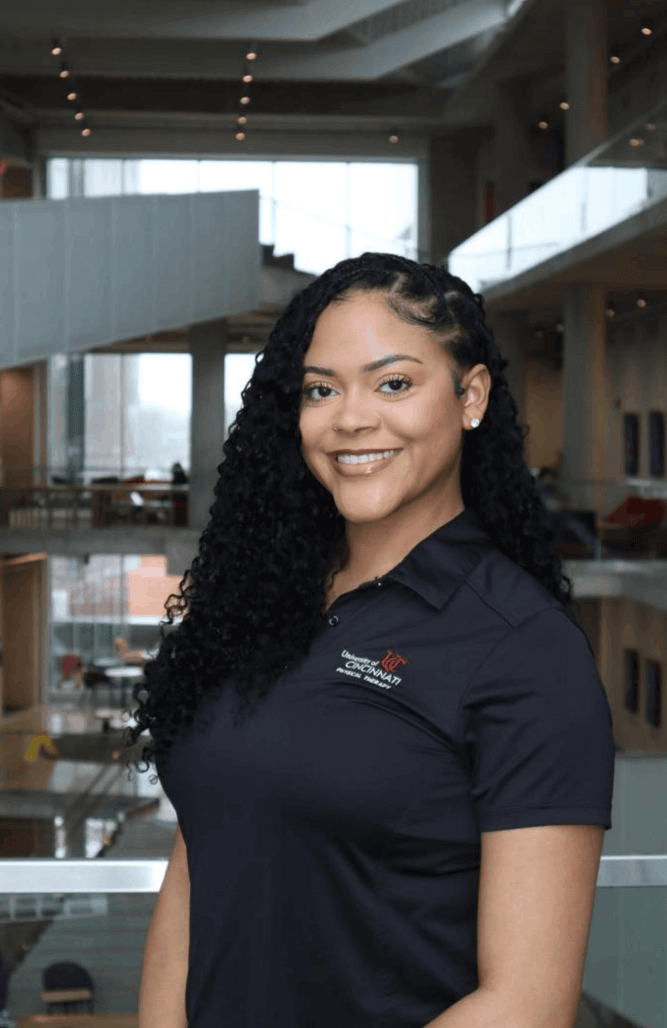
Kaleigh Dixon, SPT, is a Doctor of Physical Therapy student from Cleveland, Ohio. She grew up playing competitive Junior Olympic volleyball and continued her athletic career at the NCAA Division III level, experiences that sparked her appreciation for movement and rehabilitation. When she's not in class or on clinical rotations, she balances graduate school by working weekends as a bartender and server. She is excited to begin her final clinical rotation in pelvic health physical therapy and outpatient orthopedics as she continues pursuing a career in pelvic health.
