
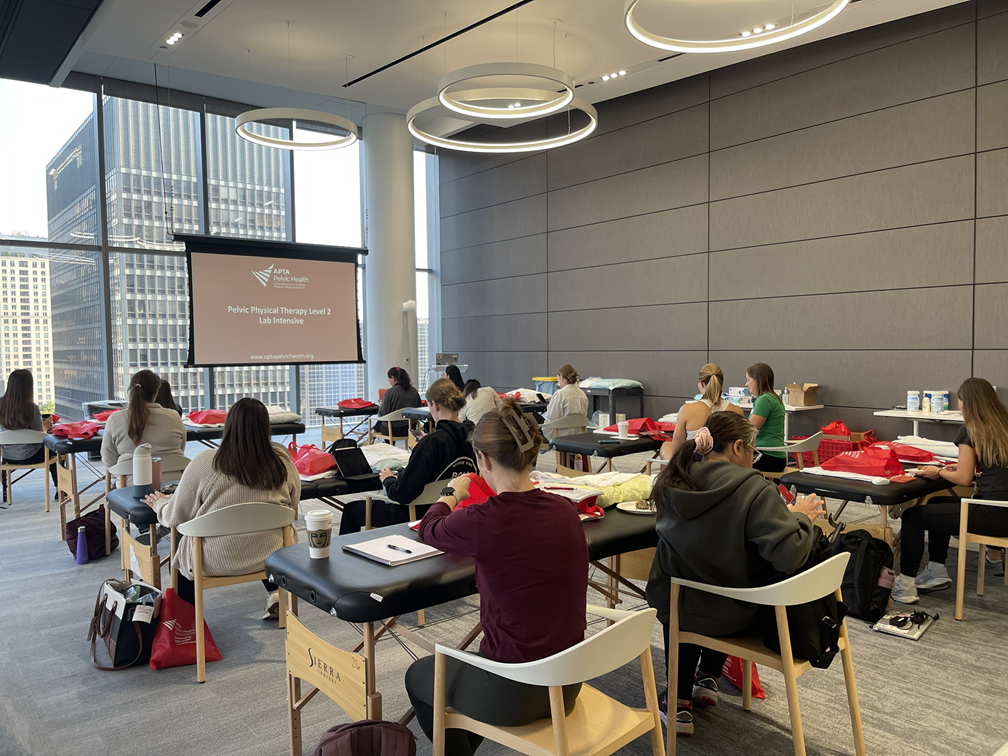
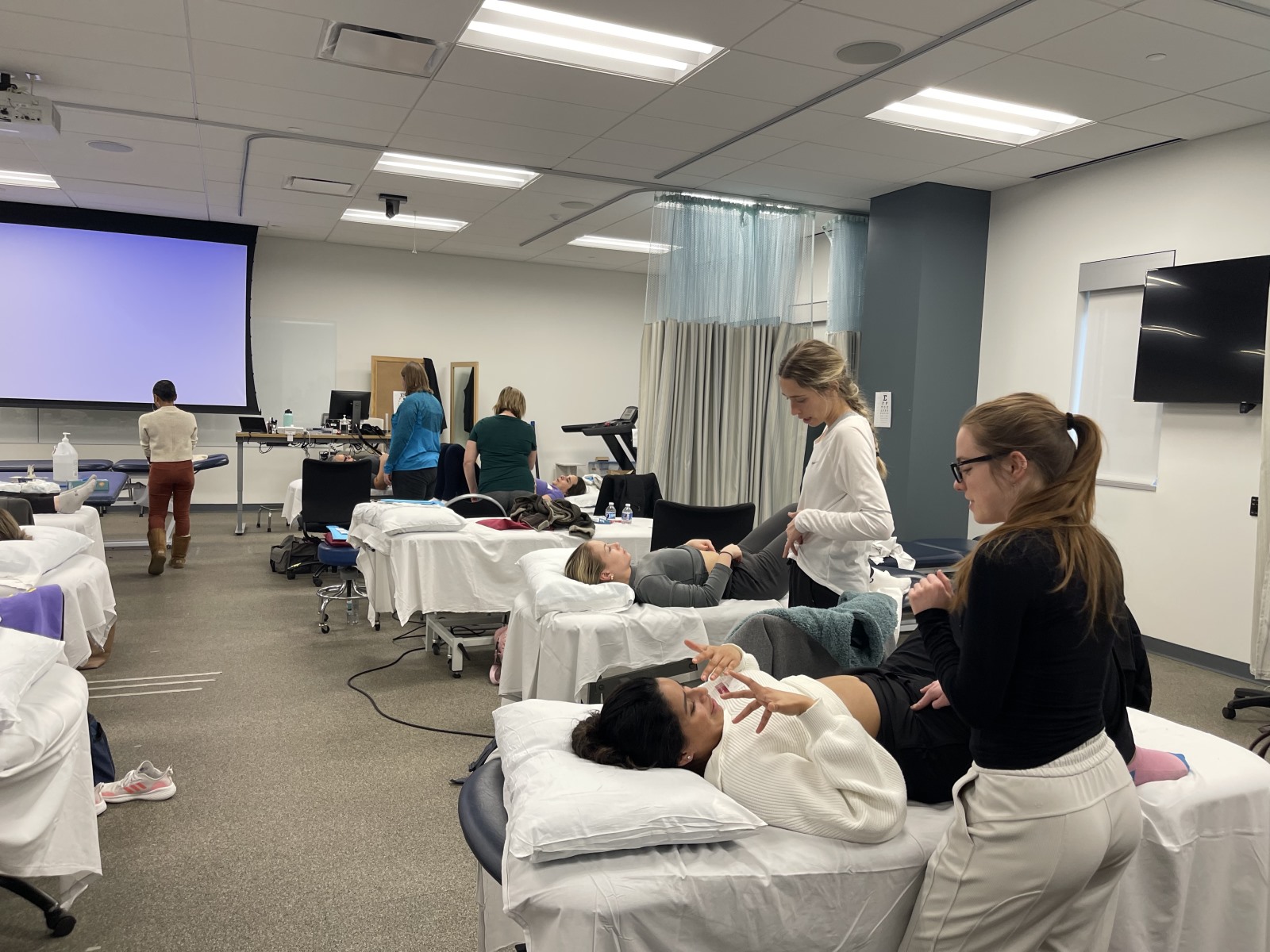
Practice in groups of two to three for focused, hands-on learning.
Hands-on foundational training
Pelvic Health Physical Therapy Level 1 Lab
Move from foundational knowledge to confident clinical application through guided, small-group practice in pelvic floor examination, assessment, and intervention.

Course Details
Select a section below to view detailed course information.
Why Take PH1 Lab?
PH1 Lab is part two of the PH1 experience and builds directly on concepts taught in PH1 Webinar. Participants apply foundational concepts through supervised external and internal vaginal examination activities in small groups.
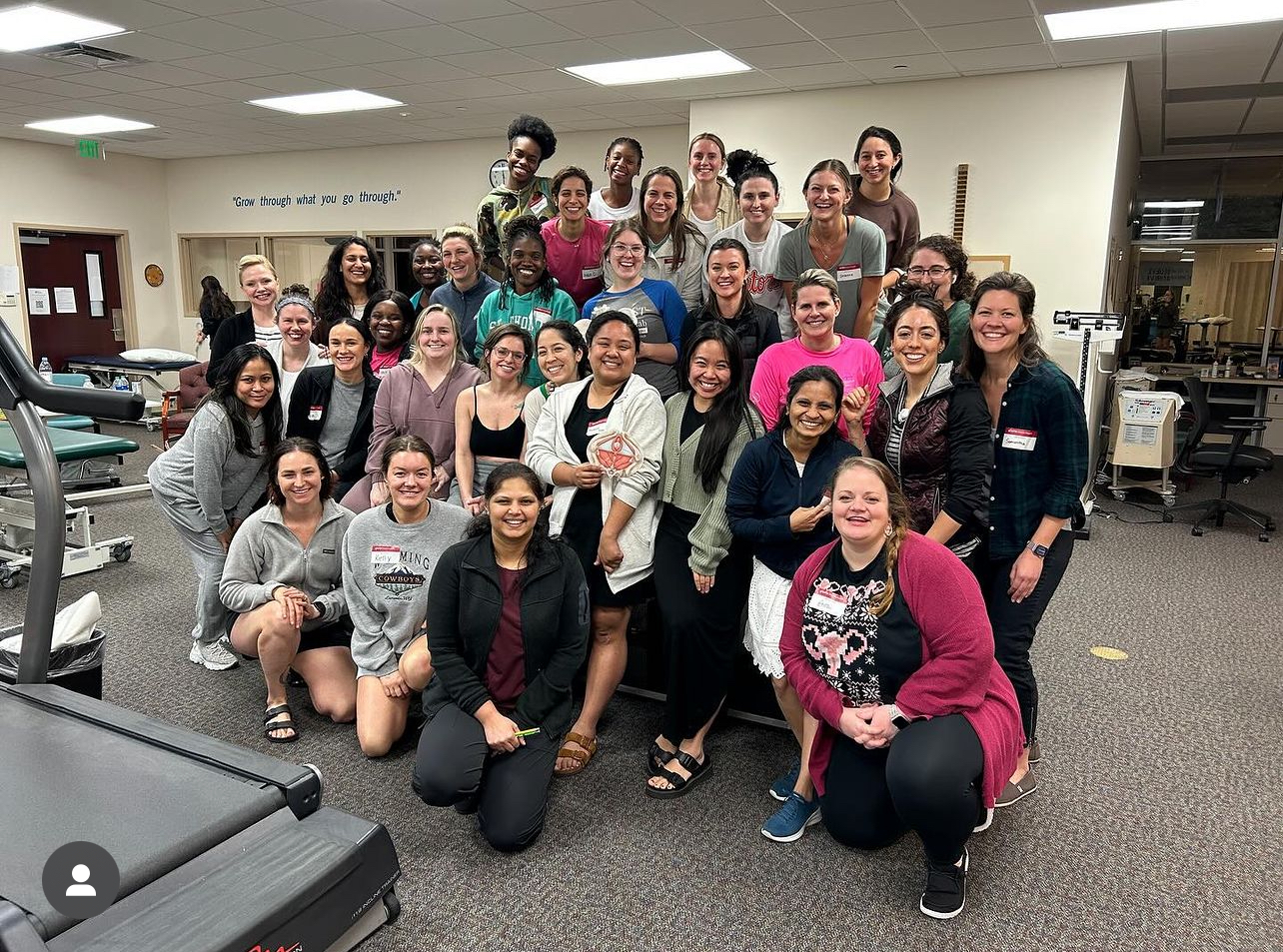
Build skills with feedback and support from experienced Academy faculty.
Connect examination and intervention techniques directly to patient care.
Complete a foundational step in the CAPP-Pelvic pathway.
Practice with purpose
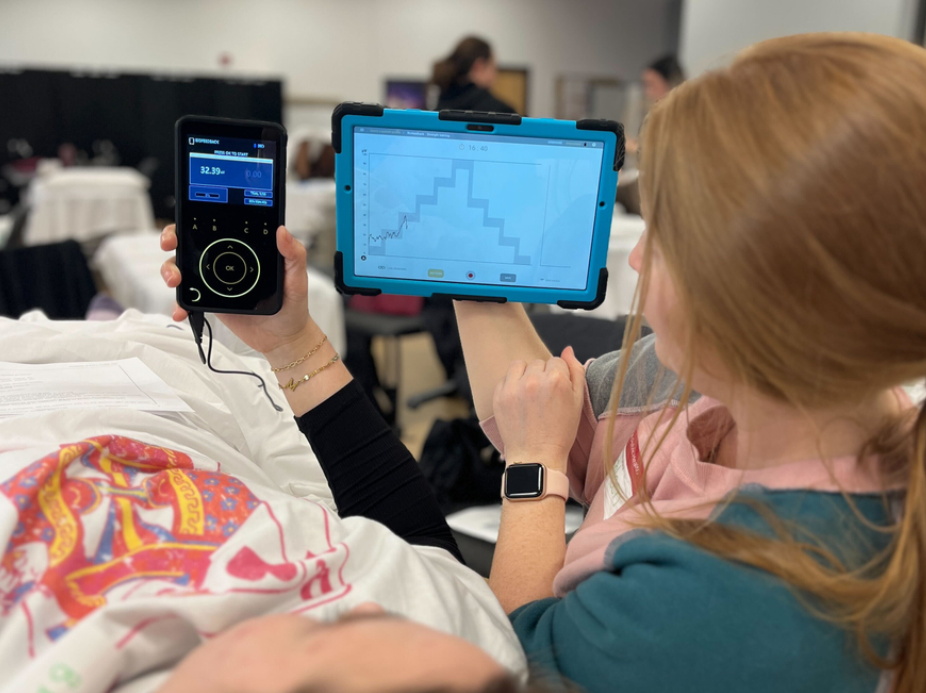
Strengthen examination, muscle testing, biofeedback, electrical stimulation, and clinical reasoning skills with faculty guidance.
New to PH1? You must successfully complete PH1 Webinar before attending PH1 Lab. Prefer a fully in-person experience? PH1 Combined includes both webinar and lab content.
Learning Objectives
Upon successful completion of PH1 Webinar and PH1 Lab, participants will be prepared to apply foundational pelvic health examination, evaluation, diagnosis, prognosis, and intervention skills.
Examination & Evaluation
- Identify and examine pelvic girdle anatomy.
- Describe lower urinary tract and female pelvic organ function.
- Demonstrate infection-control techniques.
- Perform external and internal vaginal examinations.
- Demonstrate levator ani strength and prolapse testing.
- Use handheld EMG biofeedback for assessment.
Diagnosis & Prognosis
- Differentiate underactive and overactive pelvic floor muscles.
- Explain bladder tests used in differential diagnosis.
- Compose a plan of care, goals, and prognosis.
- Recognize red flags and indications for referral.
- Consider surgeries and medications affecting prognosis.
Intervention
- Explain pelvic muscle exercise techniques.
- Connect abdominal and pelvic floor function to activity.
- Select interventions for underactive conditions.
- Apply handheld electrical stimulation appropriately.
- Use clinical reasoning to select bladder-training strategies.
Your Recommended Learning Pathway
Each course builds on skills developed in the previous level, supporting confident progression into advanced pelvic health practice.
PH1 WebinarPH1 LabPH2 Bowel DysfunctionPH2 Pelvic PainPH2 LabPH3 Specialty Webinar
Planning a concentrated training weekend? Some participants complete both PH1 and PH2 webinars first, then attend PH1 Lab and PH2 Lab during the same weekend. PH1 and PH2 Labs must be completed within 12 months of the webinars.
Eligibility, Prerequisites & Lab Participation
Who may attend
- Licensed Physical Therapists and Physical Therapist Assistants
- Second- or third-year PT and PTA students
No other professional types are permitted. Students should complete some orthopedic and musculoskeletal coursework before attending.
What to expect
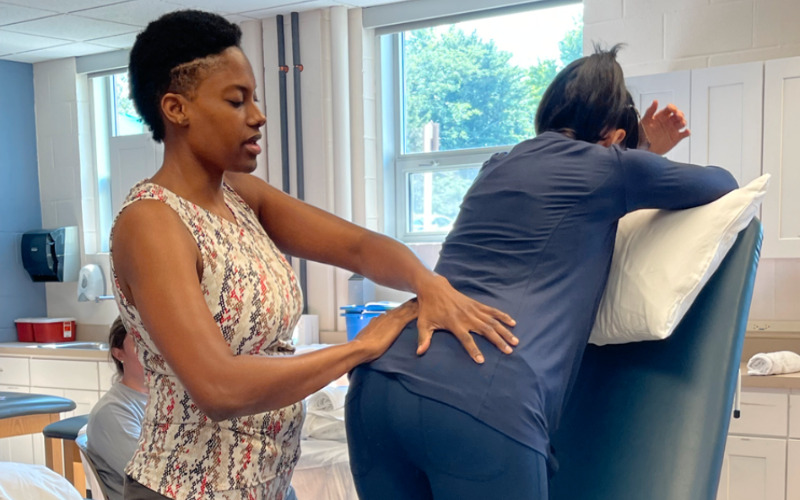
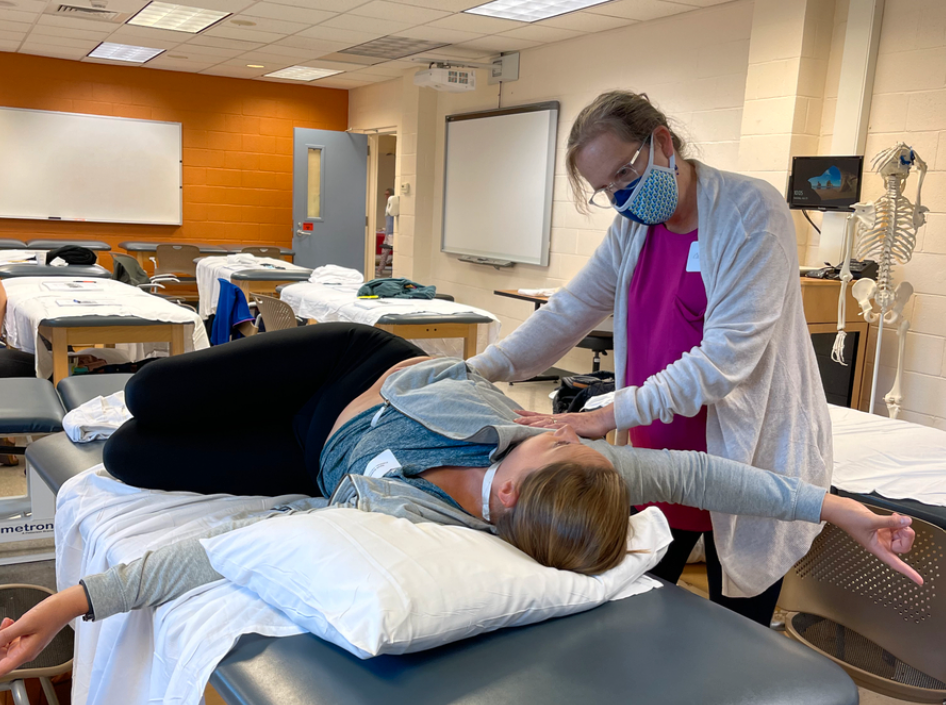
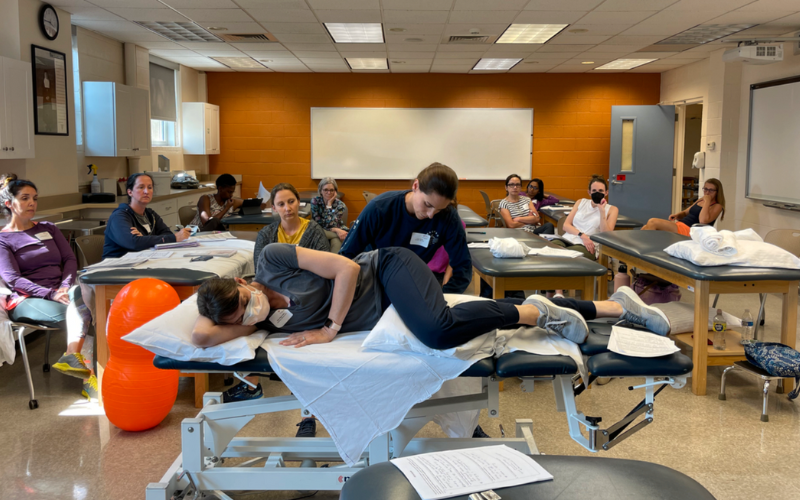
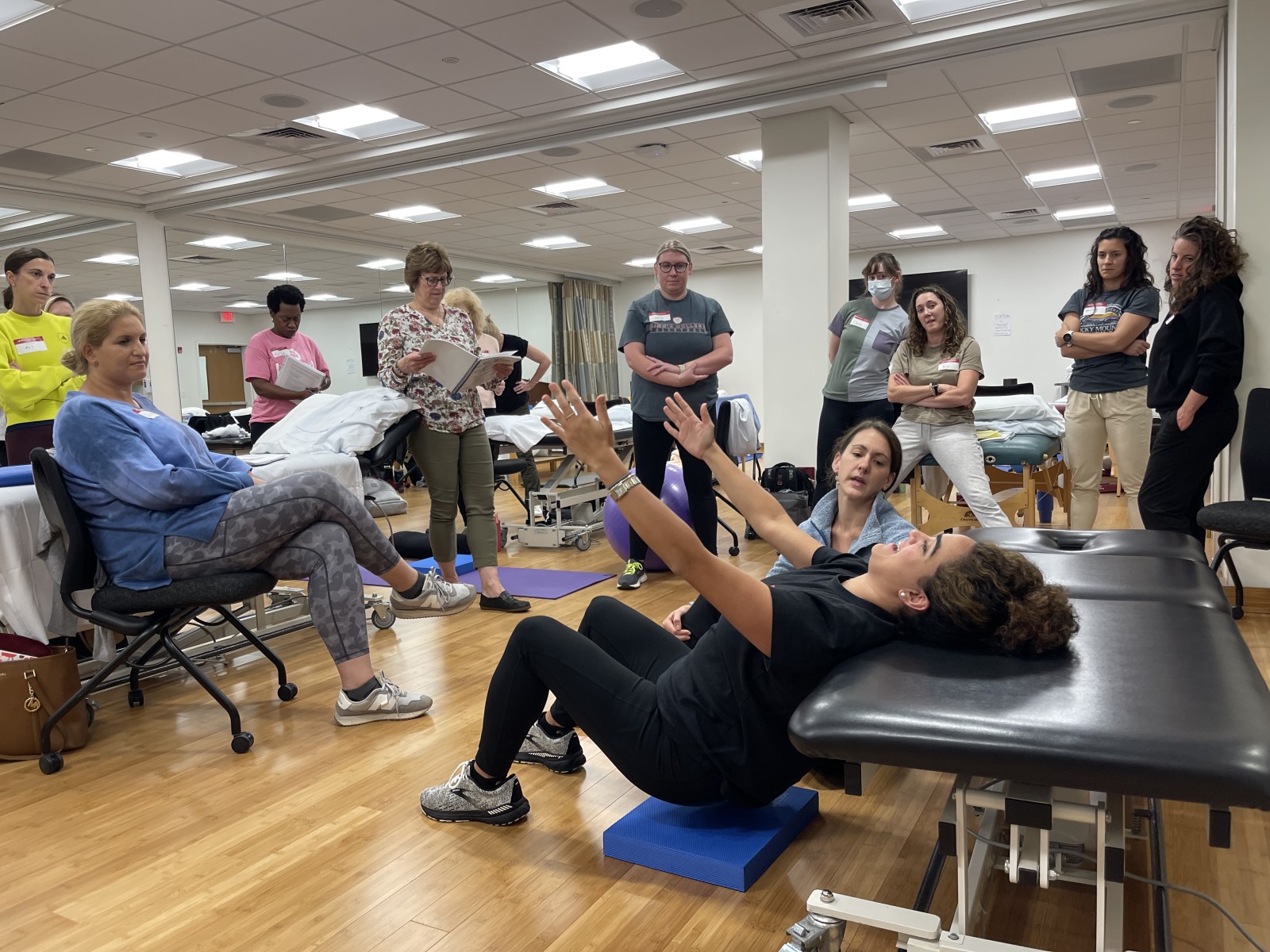
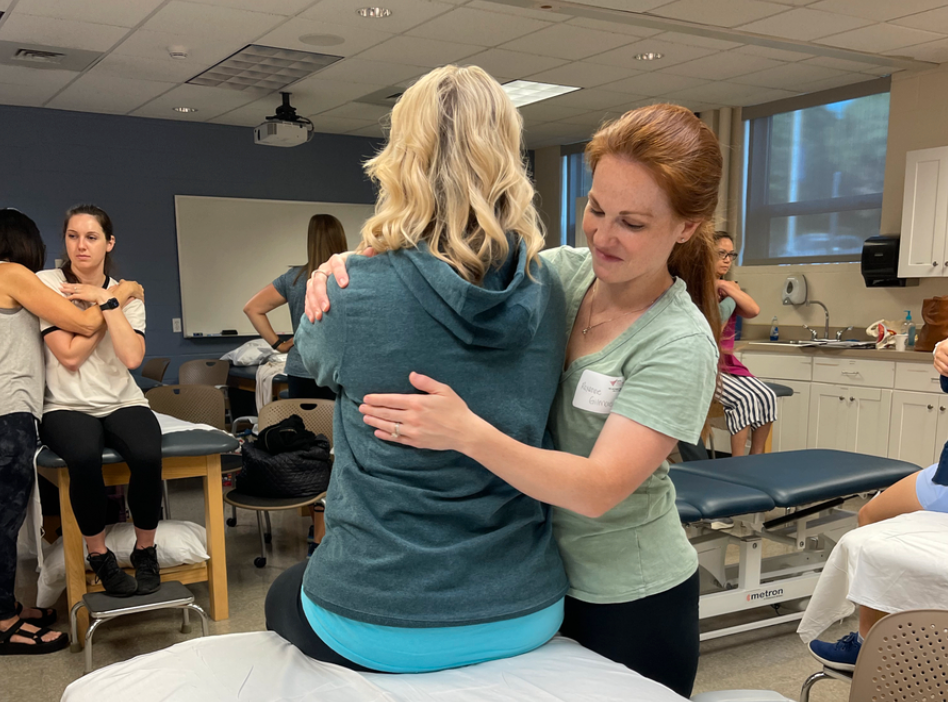
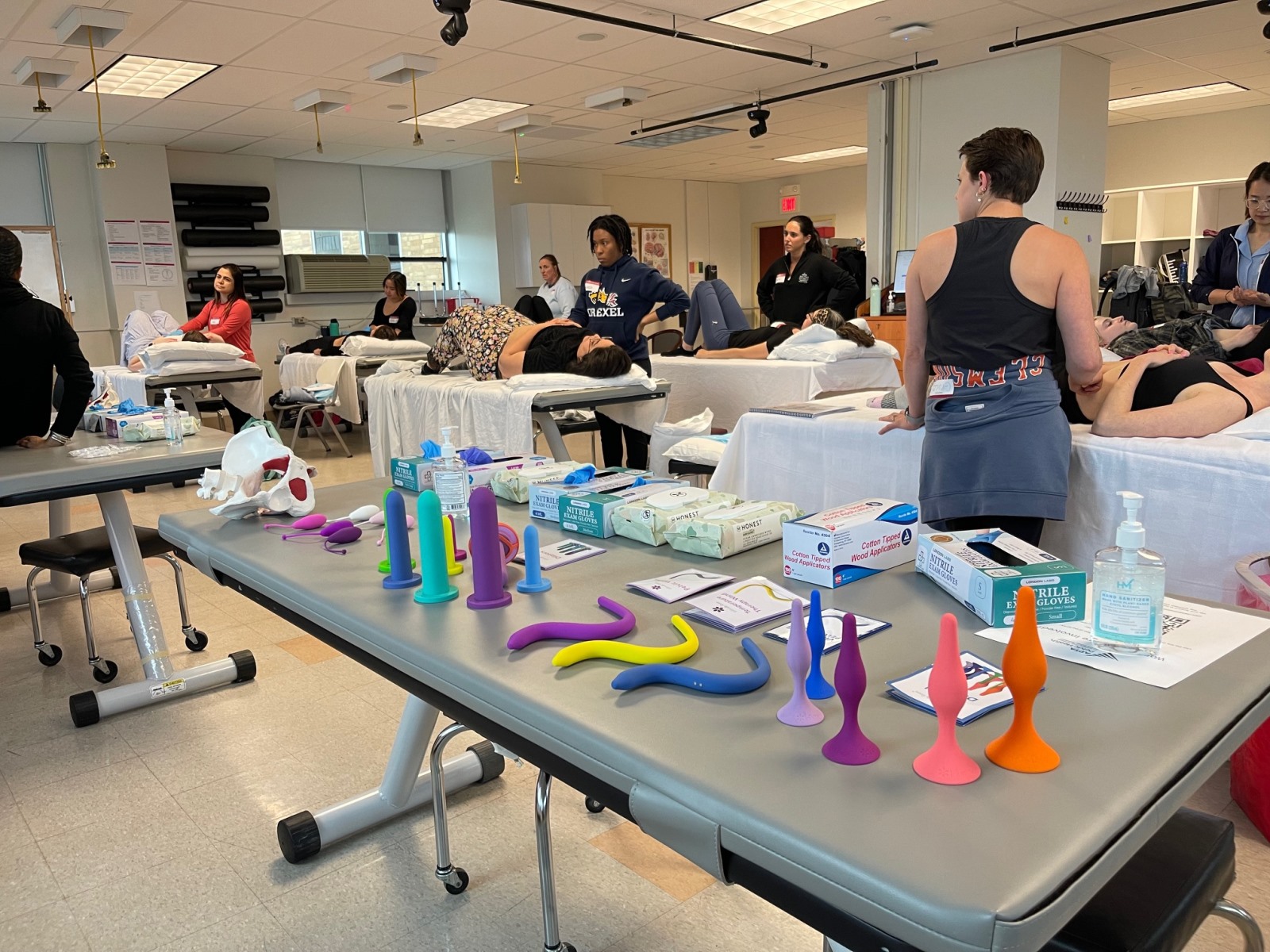
Participants work in groups of two to three and generally practice as both the examining “therapist” and “patient.” Activities include external and internal vaginal examination and intervention, internal electrode placement for surface EMG/biofeedback or electrical stimulation, abdominal techniques, scenarios, and skill checks.
Your comfort and options
Appropriate draping, positioning, consent, and open communication are expected. Participants who cannot participate as a patient may bring a medical model or request an accommodation.
- Confirmed or suspected pregnancy requires a signed medical release.
- Menstrual discs are available during menstruation.
- Participants with lubricant sensitivities should bring their preferred product.
- A medical model must be at least 18 and meet all participation requirements.
Schedule & Preparation
Detailed schedule
View the time-ordered schedule → (Replace this temporary link with the PH1 Lab schedule.)
The schedule is subject to change. Light refreshments are provided; participants are responsible for lunch.
What to bring
- Comfortable, loose-fitting clothing and an optional sweater
- Laptop and charger if you prefer electronic notes; printed lab manuals are provided
- Snacks or preferred refreshments
- Pencils or pens and hair ties, if helpful
- A nail file; short, smooth nails are important for lab activities
- Your preferred lubricant if you have sensitivities to Slippery Stuff®
Policies & Continuing Education
Attendance
Attendees must be present throughout the course. Contact hours will be forfeited and the attendee dismissed if they miss two or more lecture hours or any portion of the case-study presentation and related group activities. Extenuating circumstances are reviewed individually.
Continuing education approval
Unless otherwise noted, the Academy does not independently seek CEU approval in every state. Participants are responsible for submitting applications to their state board. Supporting documentation is available upon request.
CAPP-Pelvic affiliation
PH1 Lab is required for the Certificate of Advanced Practice in Physical Therapy in Pelvic Health. Required coursework must be completed through the Academy, although participants may take this course without pursuing the certificate.
Registration terms
Before registering, review the Academy’s Event Terms & Conditions, including attendance, cancellation, transfer, refund, media release, medical disclosure, and lab participation policies. The Academy is not responsible for travel or lodging expenses.
Ways to save
Choose the Option That Fits You
Compare Academy access and savings options before registering.
Swipe to explore all options →Academy Membership
Get our greatest course savings plus comprehensive member benefits.
Explore MembershipLearning Pass+
Save 10% on eligible courses and access 100+ archived webinars.
Explore Learning Pass+International Partner
Connect with Academy resources without requiring APTA membership.
Explore International AccessCourse Discounts
Browse current promotions and eligible course discount opportunities.
View Available DiscountsEligibility, benefits, and discounts vary by option.
Ready to Build Your Hands-on Skills?
Choose an upcoming PH1 Lab and continue your progression toward confident pelvic health practice.
View Upcoming PH1 Labs