|
Session 1 – 🟢 Foundational
Understanding Erections, Ejaculation, and Nocturnal Events: A Foundational Framework
Session Description
This session explores a foundational gap in pelvic health physical therapy: the assumption that clinicians fully understand the three distinct physiological processes patients describe. Erectile dysfunction is often treated as a single condition; however, it spans three orchestrated systems with different neural substrates, vascular events, and clinical signatures.
This session unpacks erection (psychogenic, reflexogenic, nocturnal), ejaculation (emission and expulsion), and nocturnal events (nocturnal penile tumescence and nocturnal emission). Attendees will learn neuroanatomy, normative parameters of function, and clinical reasoning strategies to guide assessment, education, and interdisciplinary referral.
Learning Objectives
• Distinguish psychogenic, reflexogenic, and nocturnal erections
• Differentiate emission and expulsion phases of ejaculation
• Interpret nocturnal penile tumescence and emissions clinically
• Apply a structured clinical reasoning framework for male sexual response
Speaker
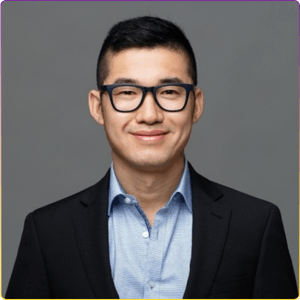
Di (Woody) Wu, PT, MBBS, MMed, MPT, cert. MDT
Dr. Di Wu trained as a medical doctor and completed his residency in orthopedics in Beijing. He later transitioned into physical therapy training at McGill University, where he was the first male to enroll in pelvic floor coursework. Over the past decade, he has developed a structured framework for male pelvic health grounded in both medical and physiotherapy training. He is a founding member of Integrated Pelvic Care and an international educator in male pelvic health.
Session 2 – 🔵 Advanced
Working with Men who Engage in Anoreceptive Intercourse – A Lifespan Perspective
Session Description
This workshop equips pelvic floor physical therapists with the knowledge and clinical skills to effectively and affirmingly care for men who engage in receptive anal intercourse (RAI).
The session explores pelvic floor function and anorectal anatomy across the lifespan, including age-related changes affecting comfort, pleasure, and function. Emphasis is placed on inclusive communication, trauma-informed care, and reducing stigma in clinical settings.
Content includes anorectal anatomy and physiology, clinical assessment considerations, evidence-informed interventions for pain and dysfunction, and strategies for improving sexual well-being. The session also addresses common patient beliefs and their impact on sexual health outcomes.
Learning Objectives
• Describe three reasons a lifespan perspective matters in RAI care
• Demonstrate inclusive communication during intake
• Summarize relationship between sexual self-esteem and chronic sexual pain
• Explain role of education in improving RAI-related outcomes
Speakers
Steven Lavender, B.Pthy, BFA MSKUS

Steven Lavender is a men’s pelvic health physical therapist with over 20 years of clinical experience in Australia and the United States. He specializes in sexual health rehabilitation and has presented internationally on LGBTQ+ men’s pelvic health.
Christopher-John Godfrey, MA MS PhD

Dr. Godfrey is a clinical health psychologist and Associate Professor at Pace University. His work focuses on men’s health, sexuality, trauma, and LGBTQ+ health communication, with an emphasis on improving provider–patient dialogue beyond risk-based frameworks.
Session 3 – 🟢 Foundational
When Blood Sugar Meets Erectile Function: Diabetes and Male Sexual Health
Session Description
Diabetes is one of the most common chronic conditions affecting male sexual health, yet its impact on erections, sensation, and sexual performance is often under-discussed in pelvic health practice.
This session explores how type 1 diabetes, type 2 diabetes, and prediabetes influence male sexual function across the lifespan. Participants will examine changes in erectile function, arousal, orgasm, ejaculation, sensation, and sexual confidence.
The session introduces organic and psychogenic contributors to erectile dysfunction and highlights how metabolic conditions interact with sexual health outcomes.
Learning Objectives
• Describe effects of diabetes and metabolic health on sexual function
• Identify sexual health concerns including erection, sensation, and performance changes
• Recognize organic vs psychogenic contributors to erectile dysfunction
• Apply screening, education, referral, and whole-person care strategies
Speaker
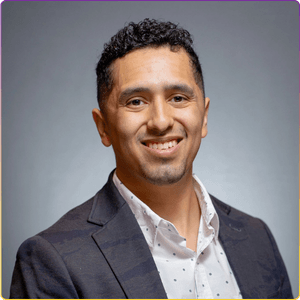
Steven Tijerina, PT, DPT, Cert. MDT
Dr. Steven Tijerina is Director of US Operations at Integrative Pelvic Care (IPC). He specializes in pelvic pain, post-surgical conditions, and urinary and bowel dysfunction. He also contributes to course development, mentorship, and clinical education for male pelvic health providers, with a focus on expanding access and clinical confidence in the field.
|