Bridging the Gap: What a Breastfeeding Conference Taught Me as a Future Pelvic Health PT
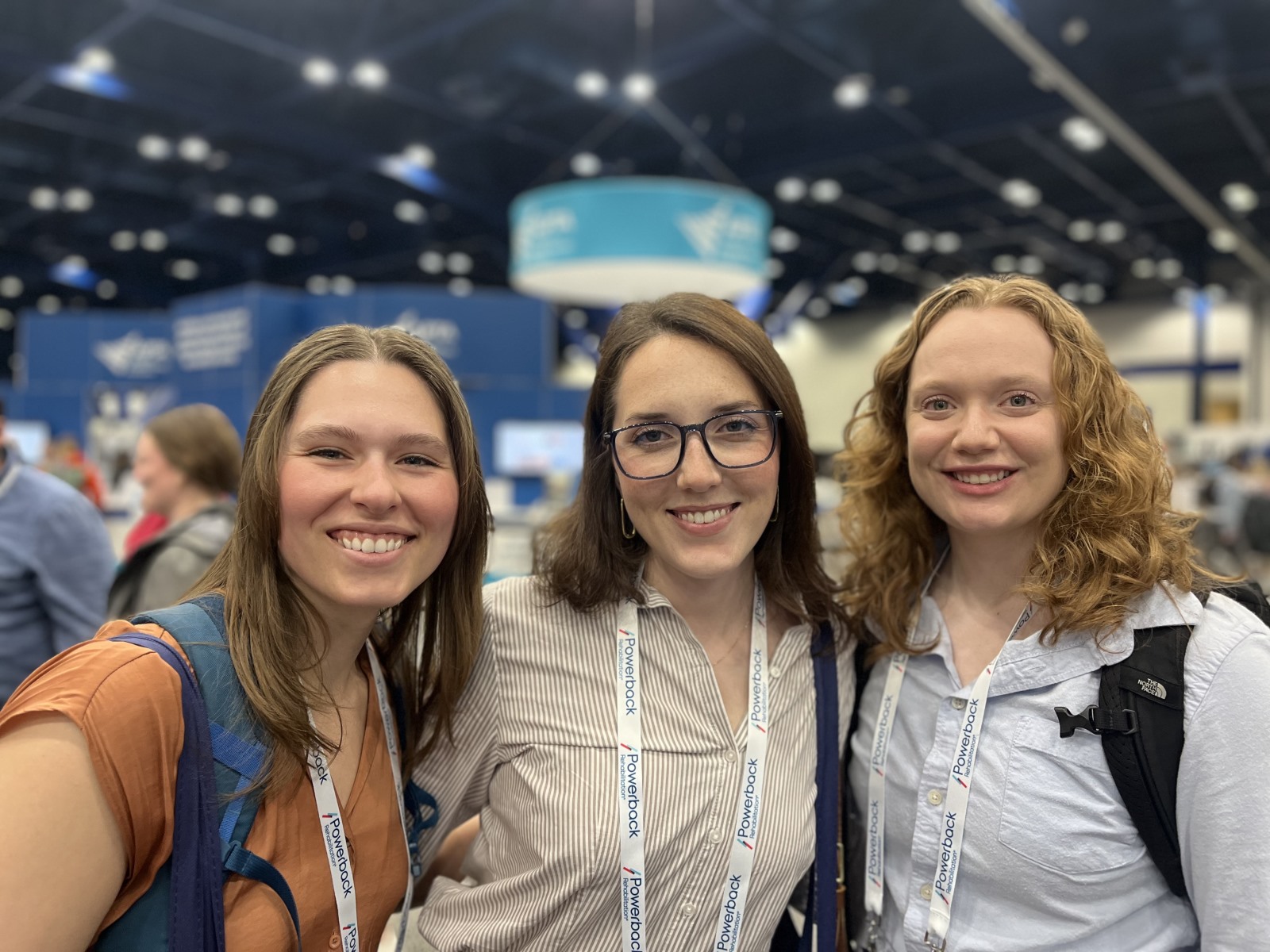
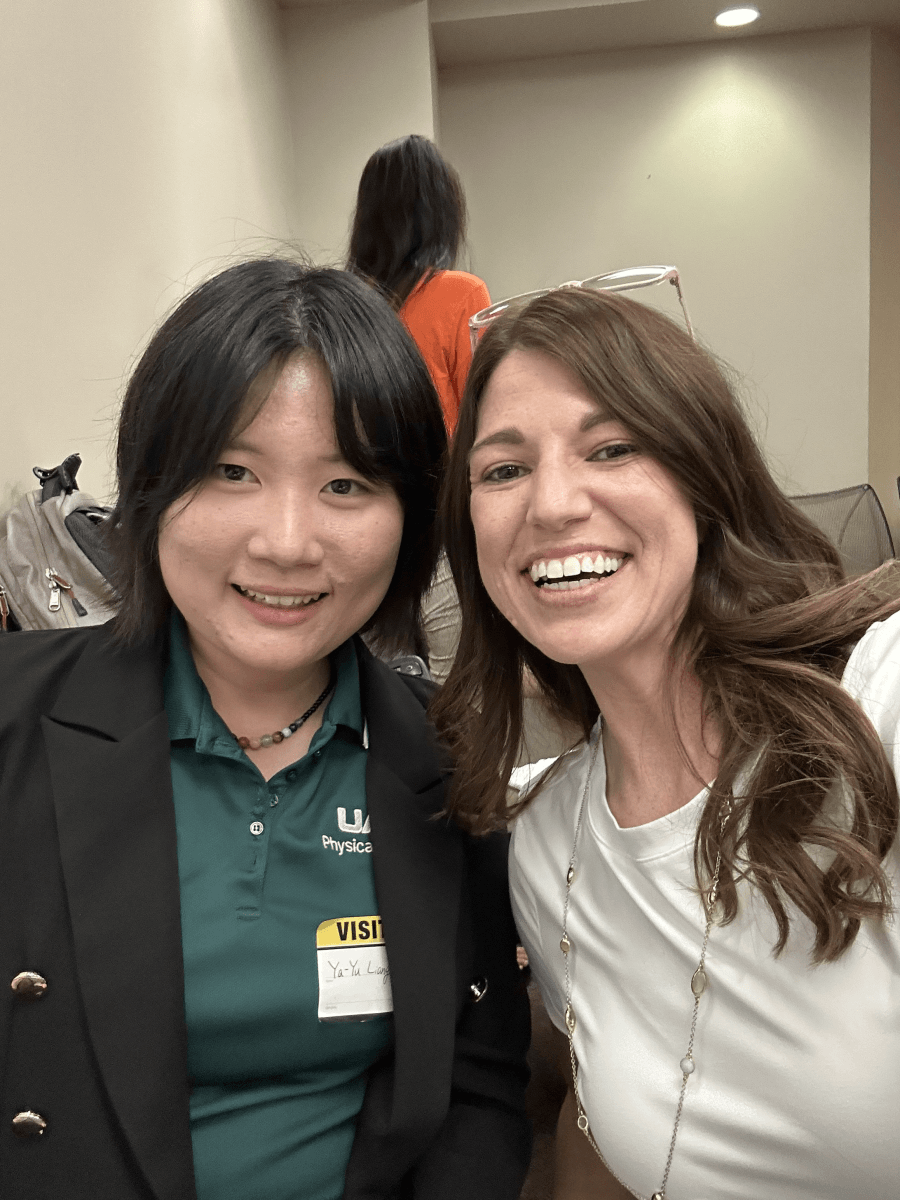
On April 24, 2026, I had the opportunity to attend the BEST Spring Conference hosted by the Alabama Breastfeeding Committee at Baptist Brookwood Medical Center in Birmingham, Alabama. I was invited by my clinical instructor, Dr. Jazma Dobbins, DPT, WCS, PRPC, who also serves as the Southeast Regional Representative for the Academy of Pelvic Health Physical Therapy. The goal of the conference was to bridge gaps in lactation care, which I quickly realized is closely connected to the work we do as pelvic health physical therapists. 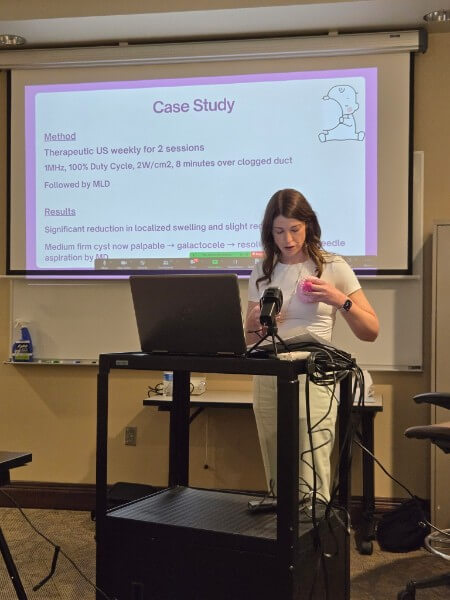
As a student physical therapist, breastfeeding and lactation support are rarely emphasized in our curriculum. However, during my pelvic health clinical rotation, I frequently worked with patients preparing for labor or recovering postpartum. Many of them faced challenges that extended beyond musculoskeletal concerns, including breastfeeding difficulties. This experience made me realize how important it is for us, as pelvic health providers, to better understand and integrate lactation support into our care.
The first session, presented by Dr. Elizabeth Sahlie, MD, FAAP, explored how breast milk modulates the infant's immune system. One of the most fascinating concepts I learned was the idea of retrograde communication during breastfeeding. When an infant feeds, their saliva interacts with the maternal system, allowing the mother’s body to detect pathogens and produce targeted antibodies that are then delivered back to the infant through breast milk. This dynamic and responsive system highlighted how breastfeeding is not only nutritional but also immunological, and how critical early support can be for both mother and child.
The second session, led by Erin Bigoni, RN, BSN, IBCLC, focused on the implementation and advocacy of skin-to-skin contact. This session was especially impactful because Erin combined evidence-based practice with her personal story. Skin-to-skin contact, which involves placing the newborn directly on a caregiver’s chest immediately after birth, has been shown to regulate temperature, breathing, and heart rate while also reducing infant mortality.
As I reflected on this, I began to see a clearer role for physical therapists. In pelvic health settings, we often provide birth preparation sessions that include positioning, breathing, and pain management strategies. These same skills can directly support early postpartum practices. For example, we can help facilitate optimal positioning for skin-to-skin contact, improve maternal comfort, and guide safe handling techniques. In addition, early skin-to-skin contact promotes the initiation of breastfeeding, as infants naturally begin to move toward the breast. Supporting this process is another area where physical therapists can contribute meaningfully.
The third session, presented by Heather Smith, emphasized effective communication, which strongly resonated with my physical therapy training. She introduced three key components, including active listening, clarity and conciseness, and nonverbal communication. One framework that stood out to me was the T.A.L.K. model, which stands for Topic, Asking, Levity, and Kindness, adapted from Alison Wood Brooks’ work. This model reinforced the importance of building trust and connection with patients, especially in sensitive areas such as postpartum care and breastfeeding. It also encouraged me to reflect on my own communication style and identify areas for growth.
The fourth session, led by Jennifer Gallahar, RN, MSN, IBCLC, CCCE, addressed hyperlactation and its management. While much attention is often given to low milk supply, this session highlighted that overproduction can also create significant challenges. Maternal symptoms may include breast or nipple pain, while infants may struggle to achieve a sustained latch due to a fast milk flow. Non-pharmacological management strategies such as laid-back positioning and block feeding were discussed. Block feeding, which involves using one breast for a set period before switching, can help regulate supply but should be used cautiously and temporarily, particularly when infants demonstrate above-average weight gain. This session expanded my understanding of how nuanced lactation management can be and how important interdisciplinary collaboration is.
One of the most meaningful moments of the conference was the session presented by my clinical instructor, Dr. Jazma Dobbins, on the use of therapeutic ultrasound for clogged milk ducts. She explained how ultrasound, combined with manual lymphatic drainage, can help reduce obstruction and improve milk flow. In the study by McMeans et al. (2022), patients received weekly ultrasound treatments for five sessions using the following parameters: 1 MHz, 100 percent duty cycle, 1.9 to 2.0 W per square centimeter, and eight minutes per affected area. The results showed significant pain reduction and no recurrence of clogged milk ducts at six-month follow-up.
What stood out most to me was not only the effectiveness of the intervention but also how clearly it demonstrated the role of physical therapy in lactation care. Dr. Dobbins also provided a live demonstration, and I had the opportunity to volunteer as the patient, which made the experience even more meaningful. This session reinforced that pelvic health physical therapists are uniquely positioned to contribute to breastfeeding support through both manual therapy and modality-based interventions.
The final session, presented by Beth Donaldson, RN, BS, IBCLC, offered an overview of the history and types of breast pumps. Learning about the differences between manual and electric pumps, along with their advantages and limitations, provided practical knowledge that can help clinicians better educate and support patients in their decision-making.
Attending this conference was an eye-opening experience that expanded my understanding of maternal care beyond what is traditionally taught in physical therapy programs. It reinforced the idea that pelvic health physical therapists are not limited to treating musculoskeletal impairments. We are also educators, advocates, and important members of a multidisciplinary team.
In Alabama, where access to pelvic health and lactation resources can be limited, especially in rural areas, this role becomes even more important. By increasing our knowledge and strengthening collaboration with other healthcare providers, we can help bridge existing gaps in care and provide more comprehensive support to our patients.
As a student, this experience has inspired me to continue learning and advocating for the integration of pelvic health physical therapy into broader aspects of maternal and postpartum care. Breastfeeding support is not separate from what we do. It is a natural extension of it.
References:
McMeans, S. , Gantt, E. , Rhodes, S. , Wood, S. , Divine, K. & McVey, L. (2022). The Role of Physical Therapy in Reducing the Recurrence of Clogged Milk Ducts and Subsequent Mastitis. Journal of Women's Health Physical Therapy, 46 (4), 175-182. doi: 10.1097/JWH.0000000000000248.
About the Author
Ya-Yu Liang, SPT 
I’m a third-year DPT student at the University of Alabama at Birmingham with a strong interest in pelvic health and neuro rehabilitation. I’ve recently completed a clinical rotation in pelvic health. I currently serves as the Alabama State Representative for APTA Pelvic Health Academy and is passionate about improving access to care and supporting students who are interested in entering the field.