
UAE-CAPP

Pelvic Health Physical Therapy Courses in Japan

Japan The Academy of Pelvic Health Physical Therapy has a growing number of international partner members from several countries, including the United Arab Emirates, Kuwait & Saudi Arabia. As demand for the pelvic health physical therapy profession grows across the Middle East, the Academy continues to engage with stakeholders in the UAE to help support the growth of the profession, increase access to pelvic and obstetric healthcare, and identify opportunities for collaboration through education and other avenues. This page is dedicated to sharing updates about the Academy's efforts and collaborations in the UAE.

Upcoming Courses

The Academy plans to offer the following courses. To learn more about each course, please scroll down to view each course description. Please note that course content is regularly updated; therefore, the total contact hours listed below are subject to change. 
  • Pelvic Health Physical Therapy Level 1 Webinar | February 2026 (approx 23.90 contact hours)
  • Pelvic Health Physical Therapy Level 2 Bowel Dysfunction Webinar | March 2026 (approx 14.00 hours)
  • Pelvic Health Physical Therapy Level 2 Pelvic Pain Webinar | April 2026 (approx 14.00 contact hours)
  • Pelvic Health Live Q&A Webinar with Instructors | May 2026 (approx 2.00 contact hours)
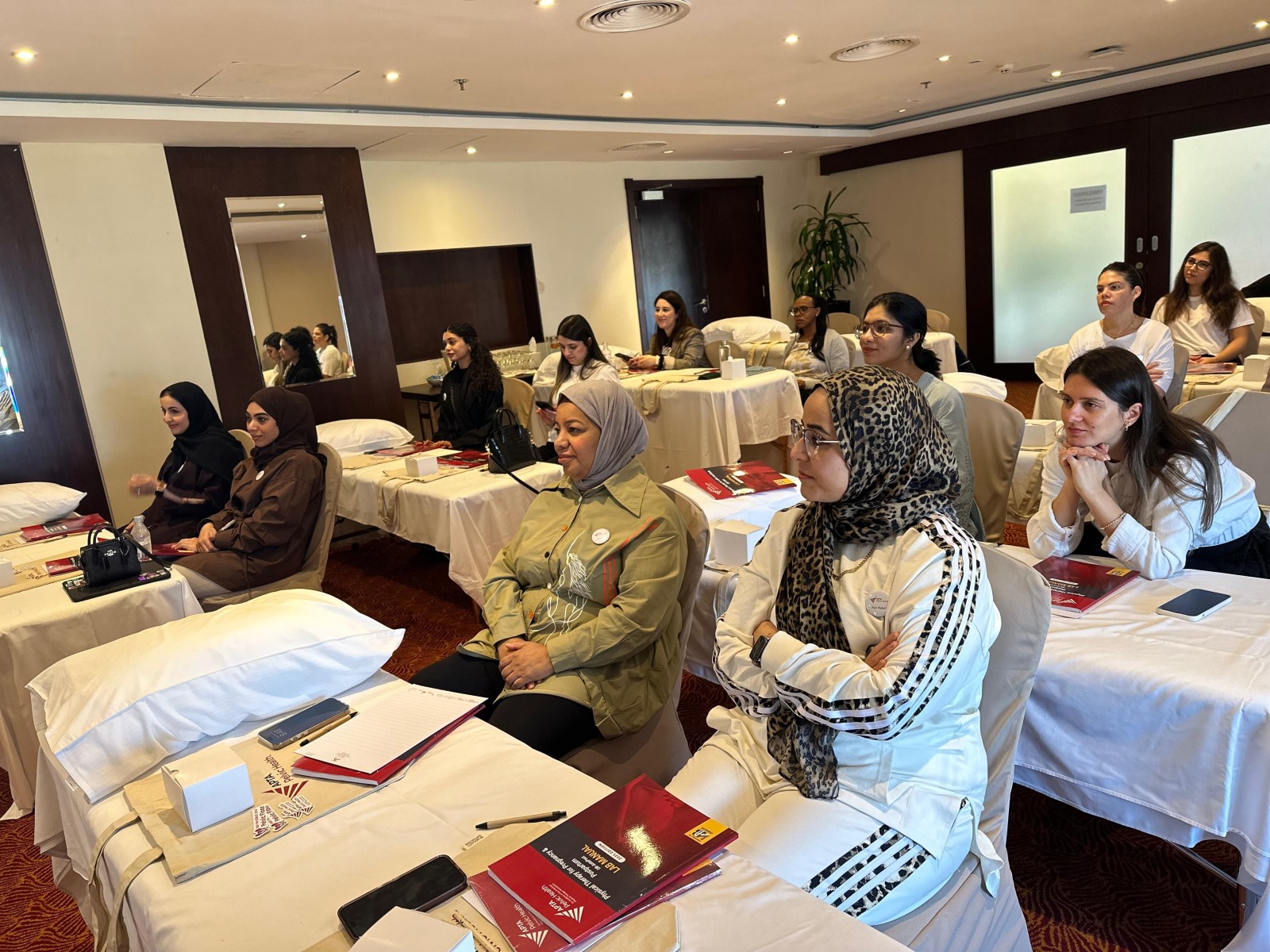
  • Pelvic Health Level 1 Lab | Dubai, UAE | June 13, 2026 (approx 10.50 contact hours)
  • Pelvic Health Level 2 Lab | Dubai, UAE | June 14, 2026 (approx 9.00 contact hours)
  • Pelvic Health Level 1 Lab | Riyadh, Saudi Arabia | June 16, 2026 (approx 10.50 contact hours)
  • Pelvic Health Level 2 Lab | Riyadh, Saudi Arabia | June 17, 2026 (approx 9.00 contact hours)
  • Pelvic Health Level 1 Lab | Kuwait City, Kuwait | June 19, 2026 (approx 10.50 contact hours)
  • Pelvic Health Level 2 Lab | Kuwait City, Kuwait | June 20, 2026 (approx 9.00 contact hours)
  • Pelvic Health Level 3 Hybrid Webinar | July 2026 (approx 20.50 contact hours)

Interested in Upcoming Courses in the Middle East?

Are you interested in taking a course in the UAE? Sign up for our e-mail listserv so that you can receive an e-mail when we open registration!

Click below to get redirected to our host's website.
Details & Registration

Sign Up for Email Alerts

Meet Our Host

Knowledge Bridge Knowledge Bridge

At Knowledge Bridge, we envision a future where healthcare professionals in the UAE and beyond have seamless access to cutting-edge medical education, empowering them to deliver the highest standards of patient care. We strive to be the foremost provider of continuous medical education, distinguished by our commitment to excellence and our unparalleled network of elite instructors.

Learn more about Knowledge Bridge


Attendee Benefits

By registering for and attending our courses, you will receive a one-year FREE trial to the following benefits:

Course Descriptions

23.90 Contact Hours

The PH1 (Pelvic Health Physical Therapy Level 1) consists of two separate courses, PH1 Webinar and PH1 Lab. Both PH1 Webinar and PH1 lab courses must be completed and successfully passed in order to fully complete PH1. The PH1 Webinar is a required prerequisite for PH1 Lab. You may not advance to PH1 Lab without having successfully completed the PH1 Webinar. In this live webinar course, physical therapy professionals will learn the foundational skills needed to evaluate and treat patients with pelvic health dysfunction, with an emphasis on underactive pelvic floor muscle conditions. Topics include the anatomy of the pelvic girdle, physiology of micturition, dysfunctions of the lower urinary tract and pelvic muscles, patient history examination, and testing and treatment interventions for underactive pelvic floor muscle conditions. Additional areas of focus include urogynecologic surgeries, medications, prevention of pelvic floor dysfunction, and documentation best practices. Participants will receive free access to the Urogynecological Clinical Evaluation and Treatments, Level 1 (2.0 contact hours) online video course.

Learning Objectives
Upon completion of both the PH1 Webinar and PH1 Lab courses, participants will be able to:

Examination / Evaluation

  1. Identify and examine the anatomy of the pelvic girdle
  2. Describe the function of the lower urinary tract and female pelvic organs.
  3. Demonstrate proper infection control techniques involved in pelvic floor muscle examination.
  4. Perform an external evaluation of the female genitalia, verbally identifying bones, ligaments, muscles, and other structures.
  5. Perform an internal pelvic examination, identifying muscles, ligaments, and bony prominences with identification of pelvic floor muscle origins and insertions.
  6. Demonstrate proper technique in testing the muscle strength of the levator ani muscles.
  7. Demonstrate proper technique in testing for pelvic organ prolapse.
  8. Demonstrate proper use of handheld EMG biofeedback to assess pelvic floor musculature.

Diagnosis / Prognosis

  1. Differentiate between underactive pelvic floor muscles and overactive pelvic floor muscles.
  2. Demonstrate an understanding of bladder tests and measurements (bladder diary, urodynamic testing, pad testing, etc.) that are used in the process of differential diagnosis.
  3. Demonstrate the ability to compose a plan of care, including functional goals, prognosis, and length of care for the patient with underactive pelvic floor conditions.
  4. Explain red flags related to the treatment of the pelvic floor and understand when to refer to another healthcare provider.
  5. Understand urogynecologic surgeries and their effect on prognosis and pelvic floor muscle dysfunction.
  6. Demonstrate understanding of various medications and their effects on the bowel and bladder, and identify how that may affect the prognosis for a patient with pelvic floor muscle dysfunction.

Intervention

  1. Explain the effects of pelvic floor underactivity and the proper technique of pelvic muscle exercises for rehabilitative purposes.
  2. Explain the relationship between the abdominal muscles and the pelvic floor muscles as they relate to activities of daily living.
  3. Describe the various interventions available to strengthen the muscles of the patient with an underactive pelvic floor, and clinically reason when and why the various interventions might be used.
  4. Demonstrate proper use of a handheld pelvic floor muscle electrical stimulation unit and explain its appropriate uses for a patient with pelvic floor muscle dysfunction.
  5. Describe techniques that can be used to train (retrain) the bladder and when each intervention might be used.

14.00 Contact Hours

The PH2 (Pelvic Health Physical Therapy Level 2) consists of three separate required courses: PH2PP Webinar, PH2BD Webinar, and PH2 Lab. To advance to the PH2BD Webinar, one must have successfully completed PH1 (either PH1 Webinar/PH1 Lab or PH1 Combined). The PH2BD Webinar is one of the required prerequisites for the PH2 Lab course.

In this course, we teach physical therapy professionals lectures on anatomy, pathophysiology and physical therapy evaluation/treatment of pelvic floor dysfunction-related bowel dysfunction. Topics covered include pelvic floor muscle motor control training, rectal balloon training, coccygeal mobilization, and clinical application of modalities. This course teaches the physical therapy professional basic skills necessary to treat patients with pelvic health dysfunction with primary emphasis on underactive pelvic floor muscle conditions.

Learning Objectives
Upon completion of the PH2BD Webinar and the associated PH2 Lab, participants will be able to:

Examination / Evaluation

  1. Describe the anatomic, physiologic, and neurological components of defecation and dysfunctional defecation.
  2. Perform an appropriate evaluation of a patient with bowel disorder diagnoses to include fecal and anal incontinence, irritable bowel syndrome, constipation, and obstructed defecation.
  3. Demonstrate ability to perform rectal pelvic floor muscle examination for patients with bowel dysfunction.
  4. Assess coccygeal function and joint mechanics for patients with pelvic pain or bowel dysfunction.

Diagnosis / Prognosis

  1. Differentiate between musculoskeletal impairments related to bowel dysfunction and signs and symptoms associated with non-musculoskeletal pathology requiring further medical examination.
  2. Develop functional goals for musculoskeletal impairments identified in patients with bowel disorders based on a systematic interview and examination of the patient.
  3. Demonstrate understanding of colon and anorectal function testing for bowel disorders.

Intervention

  1. Develop an evidence-based and appropriate plan of care for physical therapy intervention of musculoskeletal impairments for patients with bowel dysfunction.
  2. Perform manual myofascial release techniques, trigger point release techniques, and coccyx mobilization for the treatment of patients with bowel dysfunction.
  3. Describe appropriate clinical application of surface electromyographic (sEMG) biofeedback for bowel dysfunction diagnoses.
  4. Describe appropriate clinical application of digital rectal biofeedback and EMG biofeedback as an intervention for patients with bowel dysfunction.
  5. Provide behavioral intervention strategies to improve bowel function, such as diet, lifestyle changes, and proper toileting techniques and posture.
  14.00 Contact Hrs. 

The PH2 (Pelvic Health Physical Therapy Level 2) consists of three separate required courses: PH2PP Webinar, PH2BD Webinar, and PH2 Lab. To advance to the PH2PP Webinar, one must have successfully completed PH1 (either PH1 Webinar/PH1 Lab or PH1 Combined). The PH2PP Webinar is one of the required prerequisites for the PH2 Lab course.

In this course, we teach physical therapy professionals clinically relevant information and provide training in the examination, evaluation, and intervention of female pelvic pain, anatomy, pathophysiology, and physical therapy evaluation/treatment of pelvic floor dysfunction related to pelvic pain in the female patient. 

Topics

  • Pelvic pain diagnoses (anatomic, physiologic, neurologic)
  • Patient evaluation (pudendal neuralgia, vulvodynia, vaginismus, painful bladder syndrome, endometriosis, coccydynia, etc)
  • Vaginal pelvic floor muscle examination
  • Female sexual response and sexual dysfunction
  • Musculoskeletal impairments related to pelvic pain
  • Non-musculoskeletal pathology
  • Patient care plan development
  • Manual myofascial release techniques, trigger point release techniques, abdominopelvic interventions
  • Clinical application of modalities
  • External manual therapy techniques
  • Rigid taping techniques
  • Coccyx pain and dysfunction
  • Behavioral intervention strategies (diet, lifestyle, posture)

Learning Objectives
Upon completion of the PH2 PP Webinar and corresponding PH2 Lab, participants will be able to:

Examination / Evaluation

  1. Describe the anatomic, physiologic, and neurological components of pelvic pain diagnoses.
  2. Perform an appropriate evaluation of a patient with pelvic pain diagnoses to include pudendal neuralgia, vulvodynia, vaginismus, painful bladder syndrome, endometriosis and coccydynia.
  3. Demonstrate ability to perform a vaginal pelvic floor muscle examination for patients with pelvic pain diagnoses.
  4. Describe the female sexual response and demonstrate understanding of sexual dysfunction.

Diagnosis / Prognosis

  1. Differentiate between musculoskeletal impairments related to pelvic pain and signs and symptoms associated with non-musculoskeletal pathology requiring further medical examination.
  2. Develop functional goals for musculoskeletal impairments identified in patients with pelvic pain based on a systematic interview and examination of the patient.

Intervention

  1. Develop an evidence-based and appropriate plan of care for physical therapy intervention of musculoskeletal impairments for patients with pelvic pain.
  2. Perform manual myofascial release techniques, trigger point release techniques and abdominopelvic interventions for the treatment of patients with pelvic pain.
  3. Describe appropriate clinical application of modalities for pelvic pain diagnoses.
  4. Perform external manual therapy techniques and rigid taping techniques to address pain and dysfunction related to the coccyx.
  5. Provide behavioral intervention strategies to manage pelvic pain including lifestyle changes, diet, and proper posture.

9 Contact Hours 

The PH1 (Pelvic Health Physical Therapy Level 1) consists of two separate courses, PH1 Webinar and PH1 Lab. Both PH1 Webinar and PH1 lab courses must be completed and successfully passed in order to fully complete PH1. The PH1 Lab is part 2 of the PH1 and can be taken only after you have successfully completed and passed the PH1 Webinar course. 

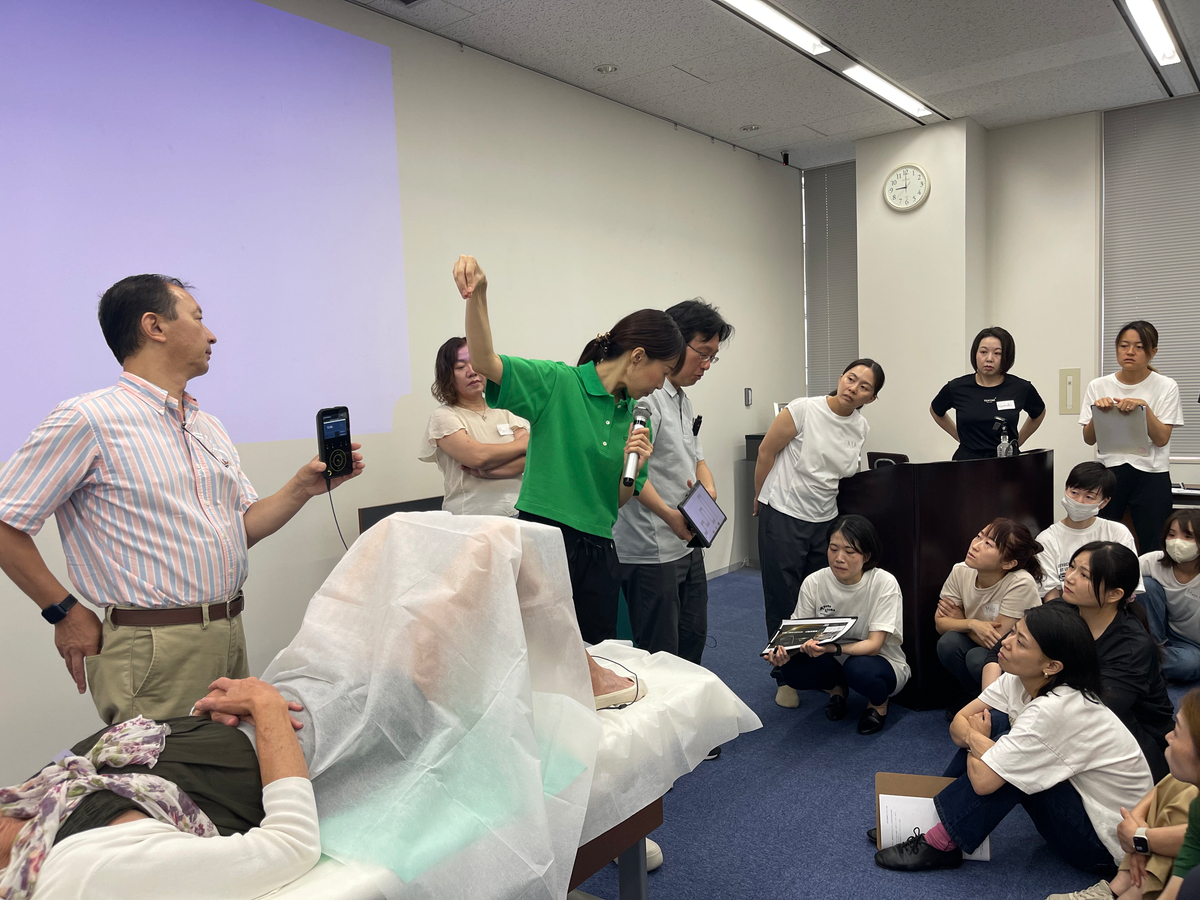
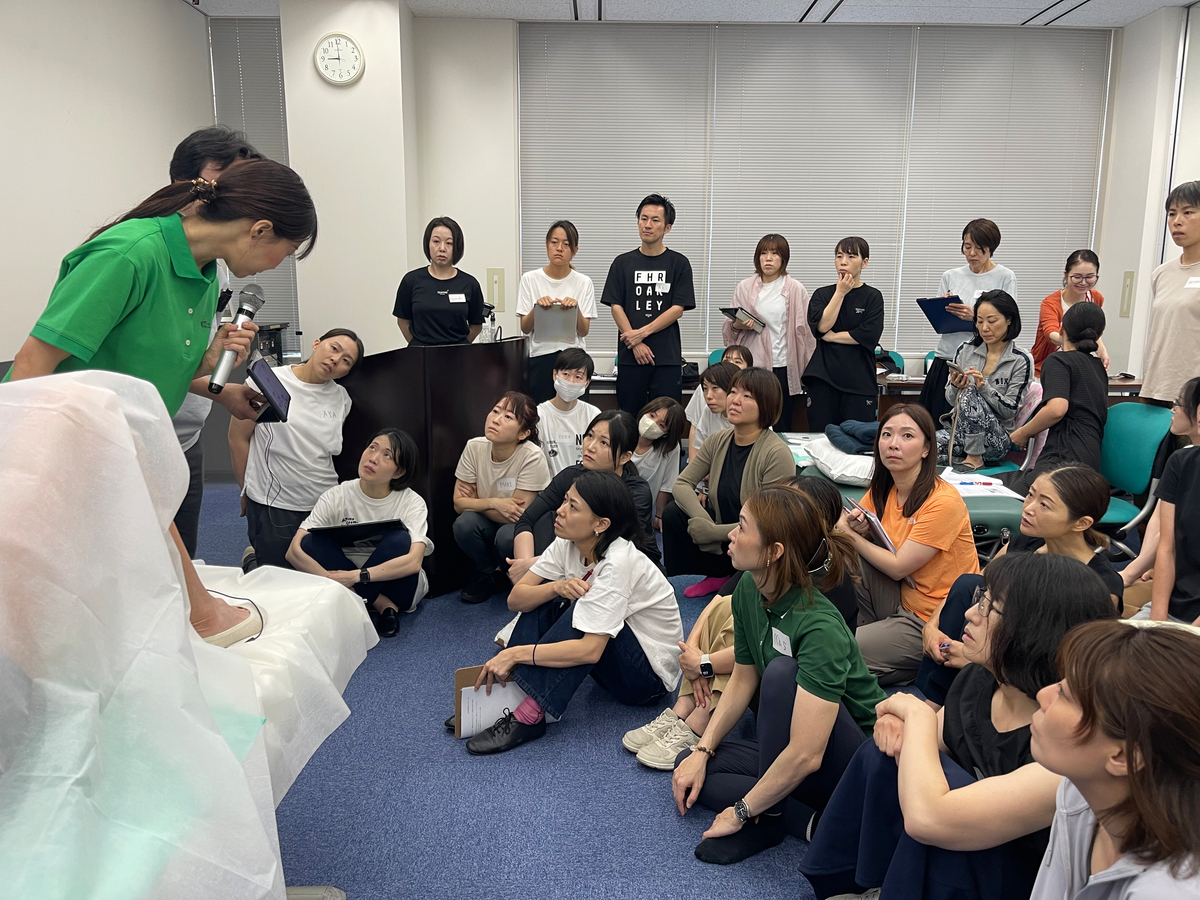
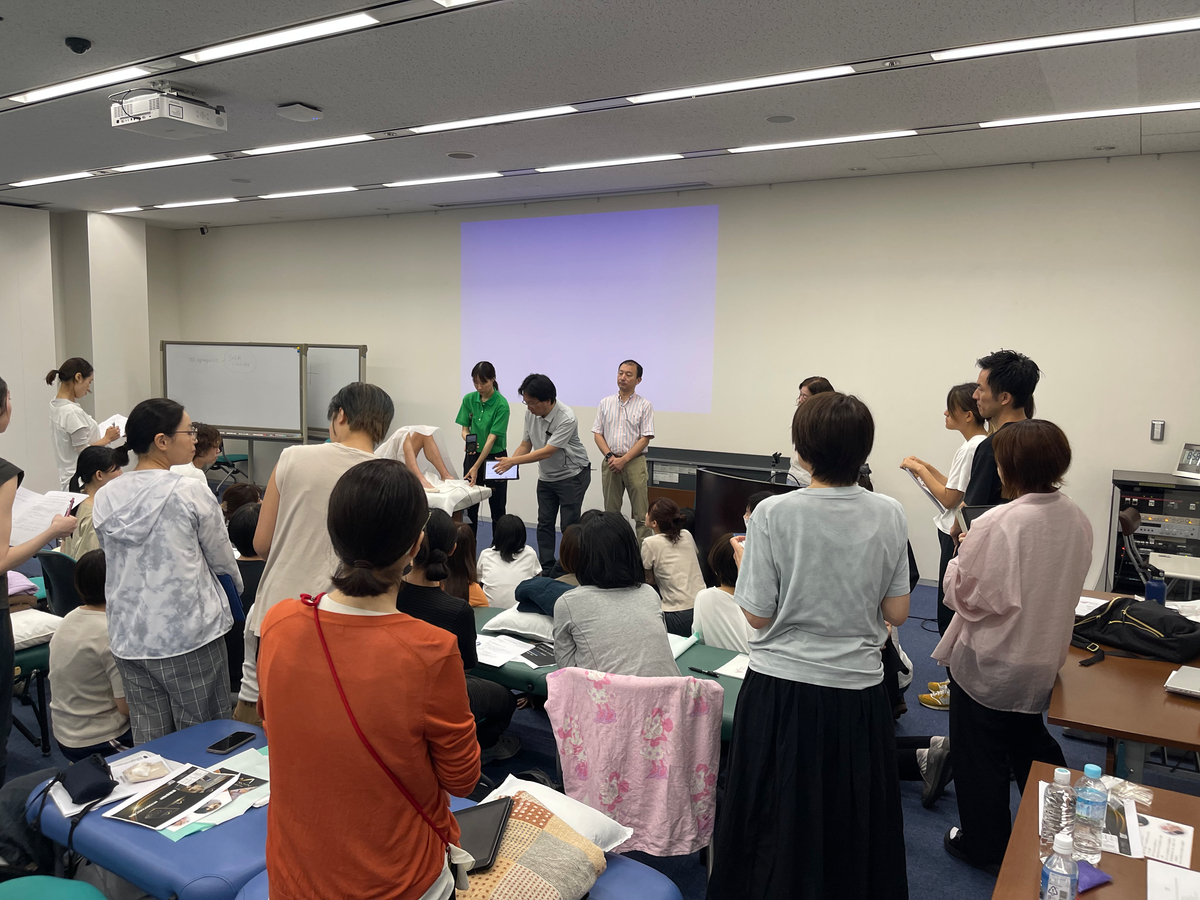
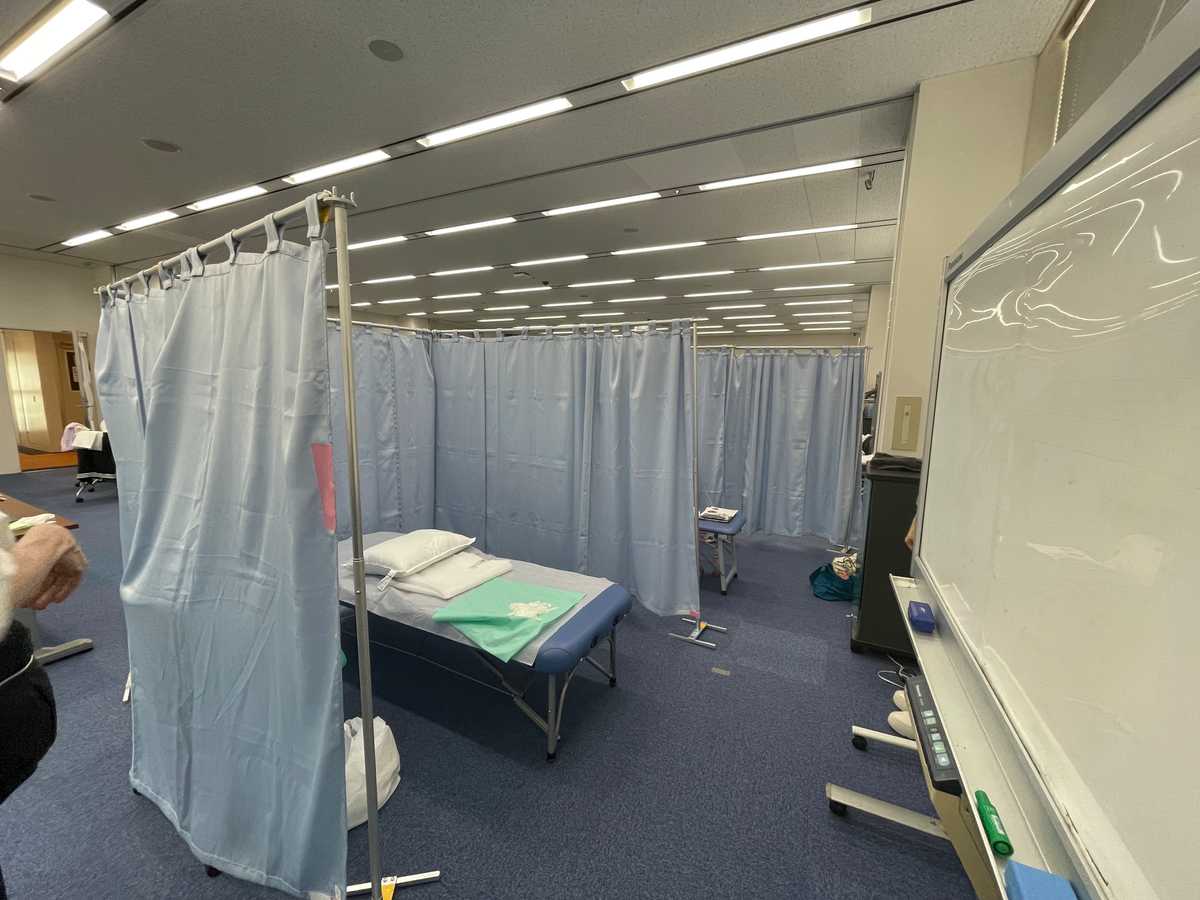
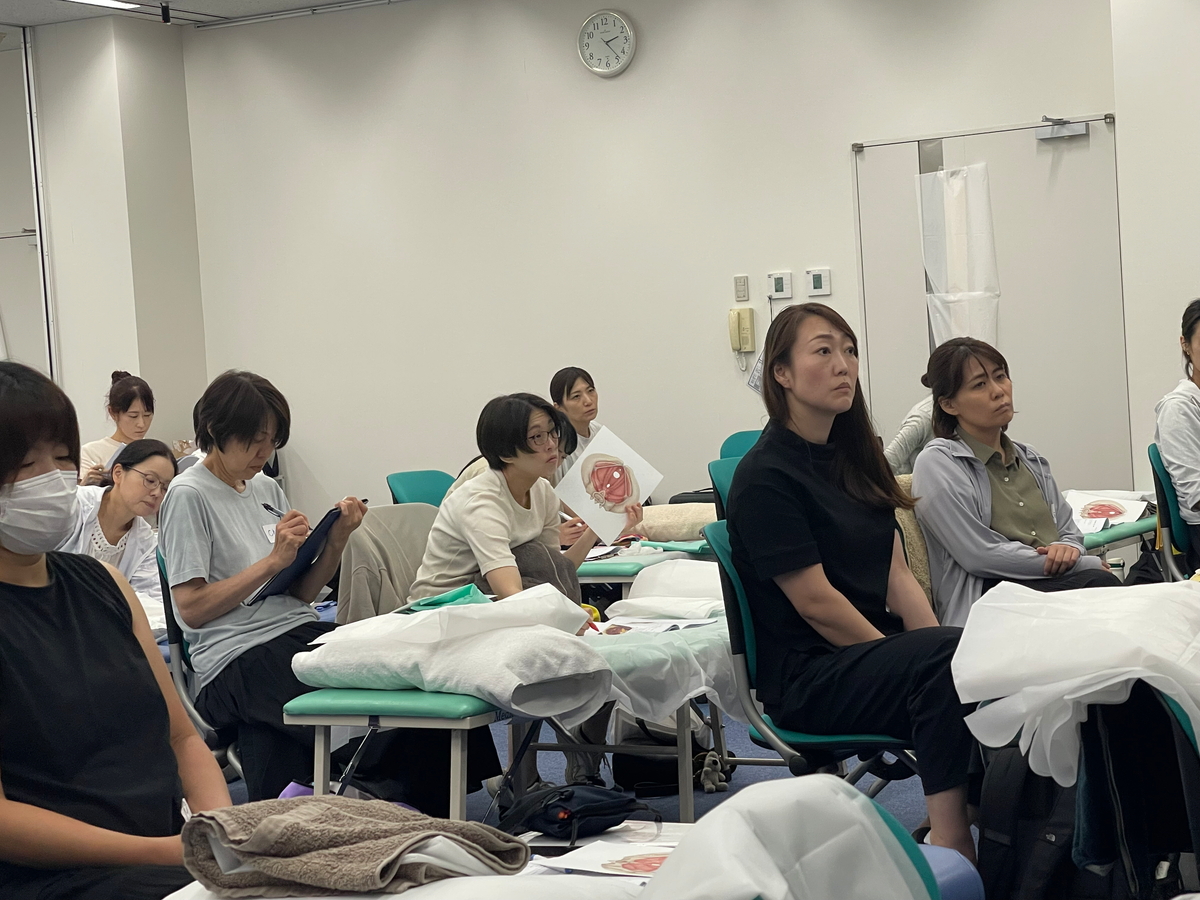
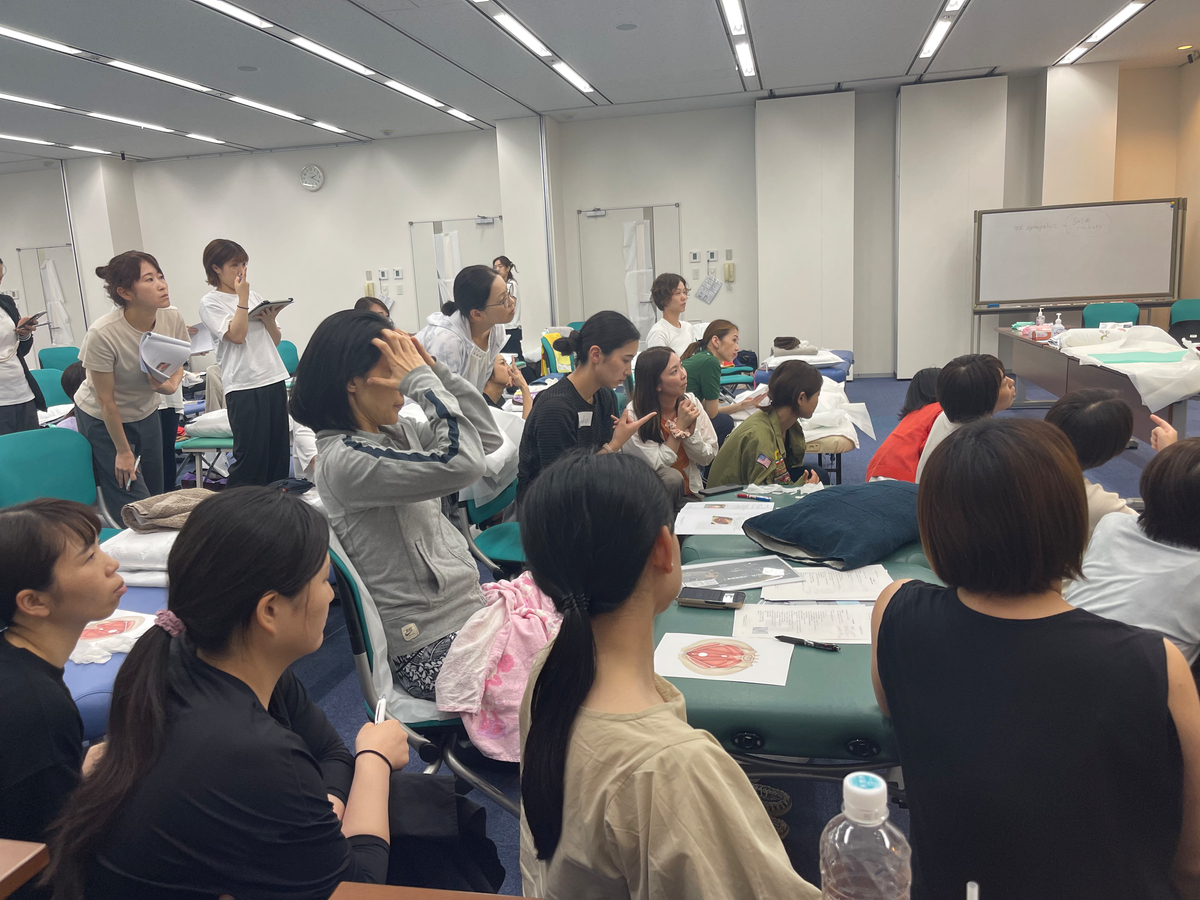
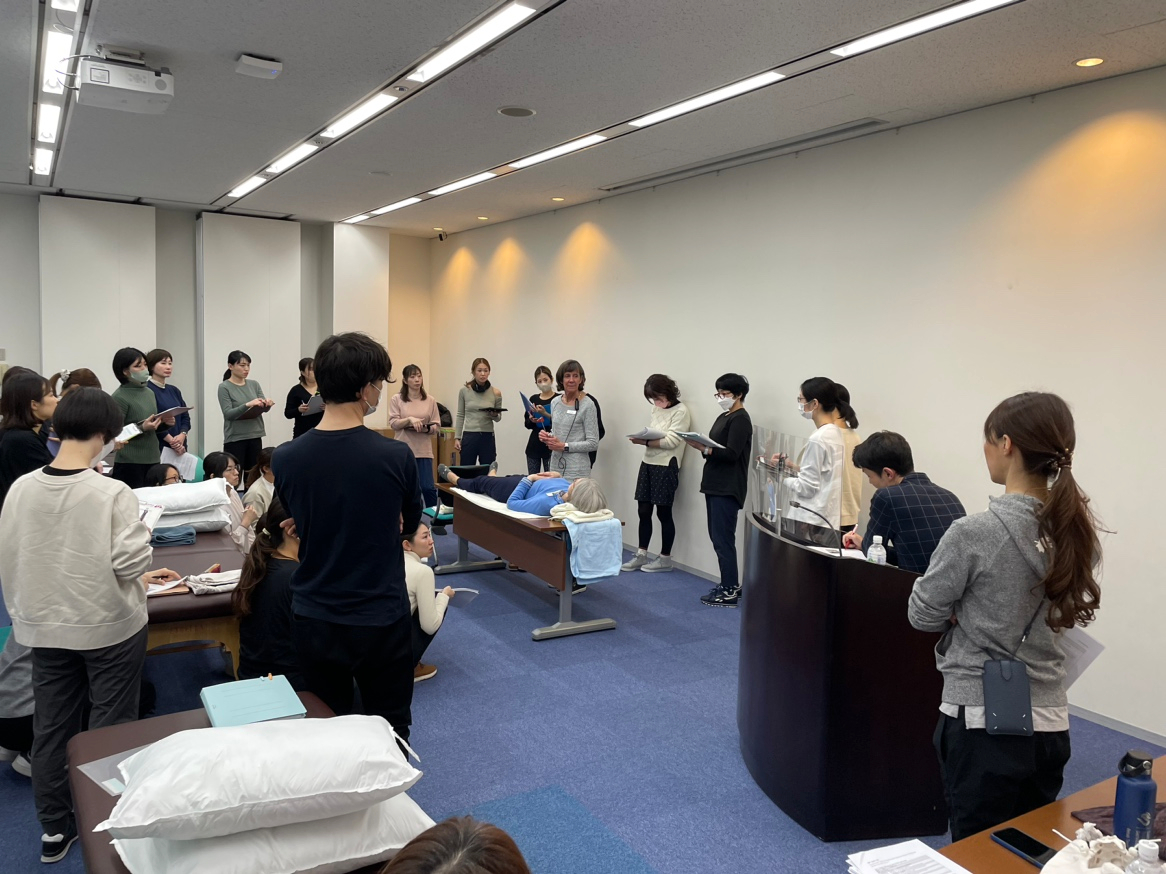
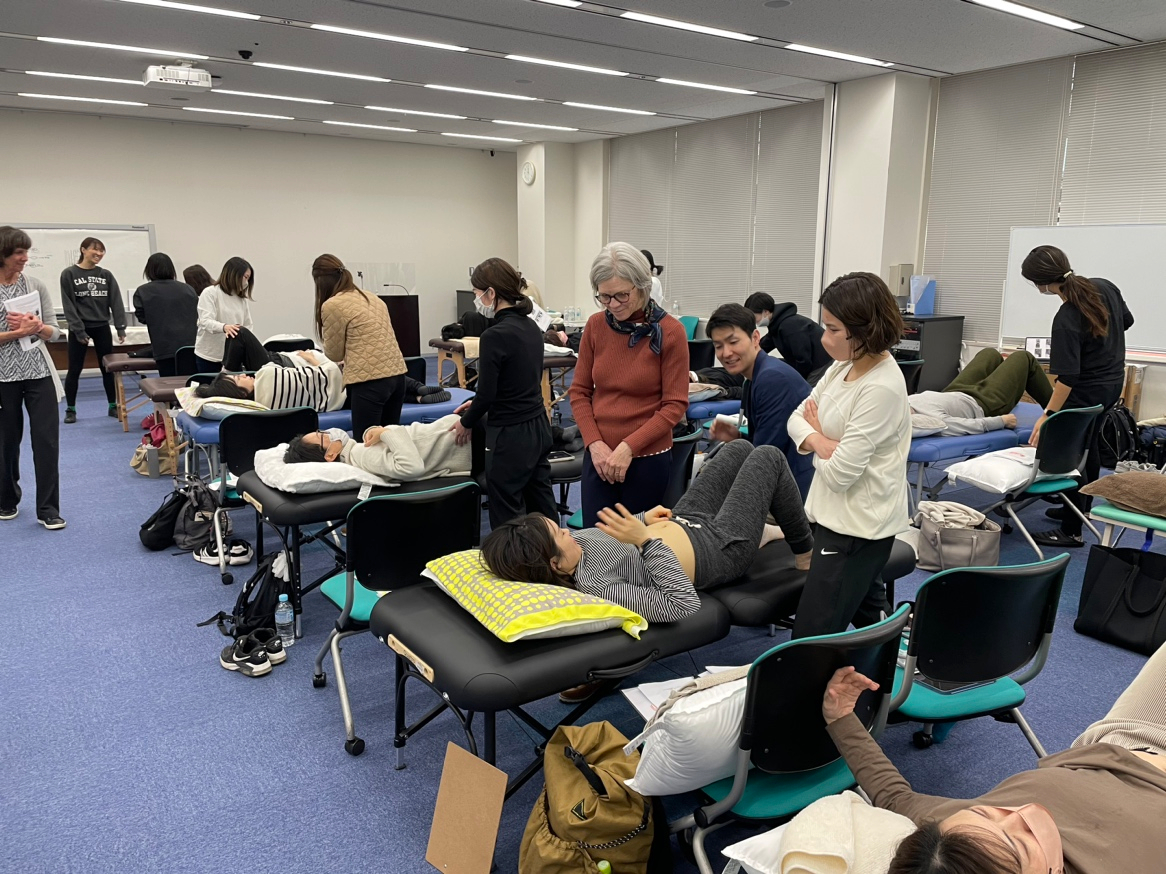
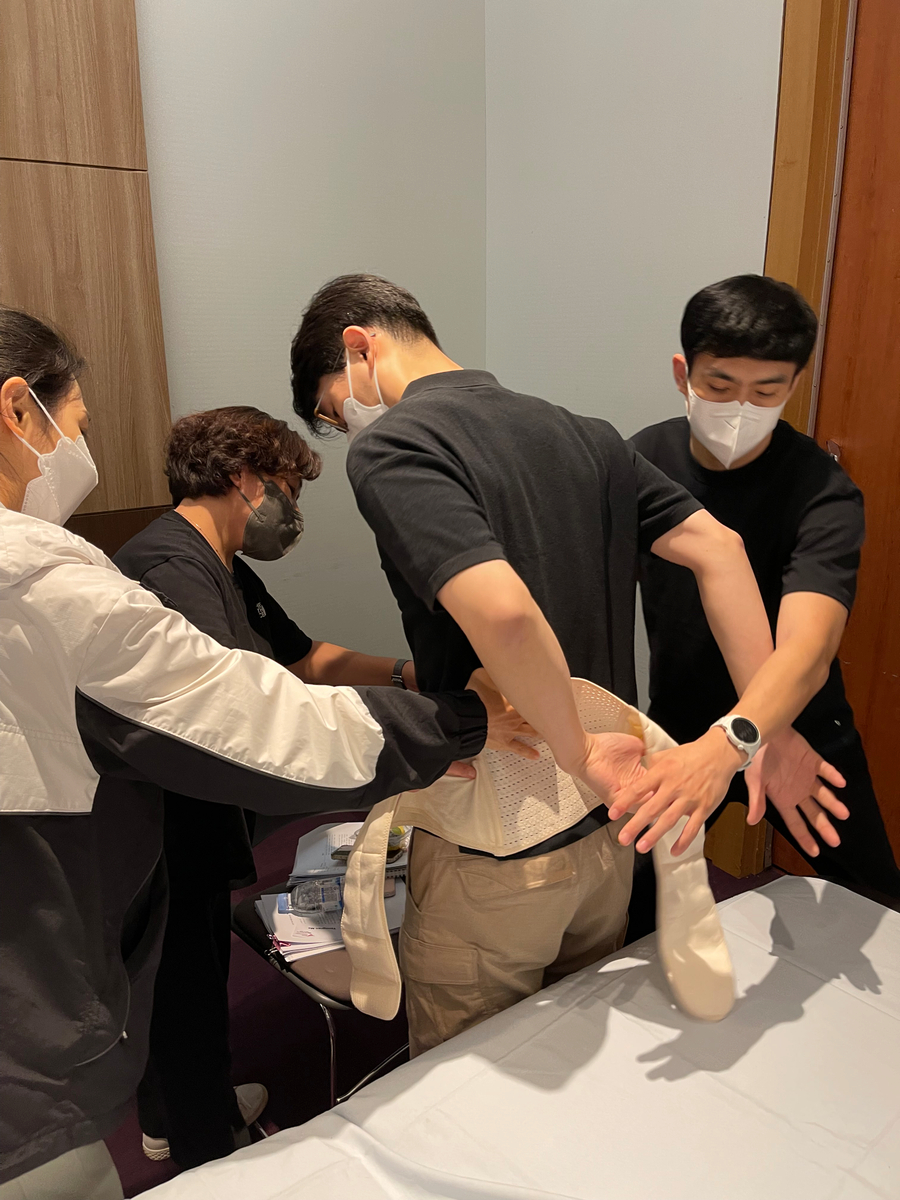
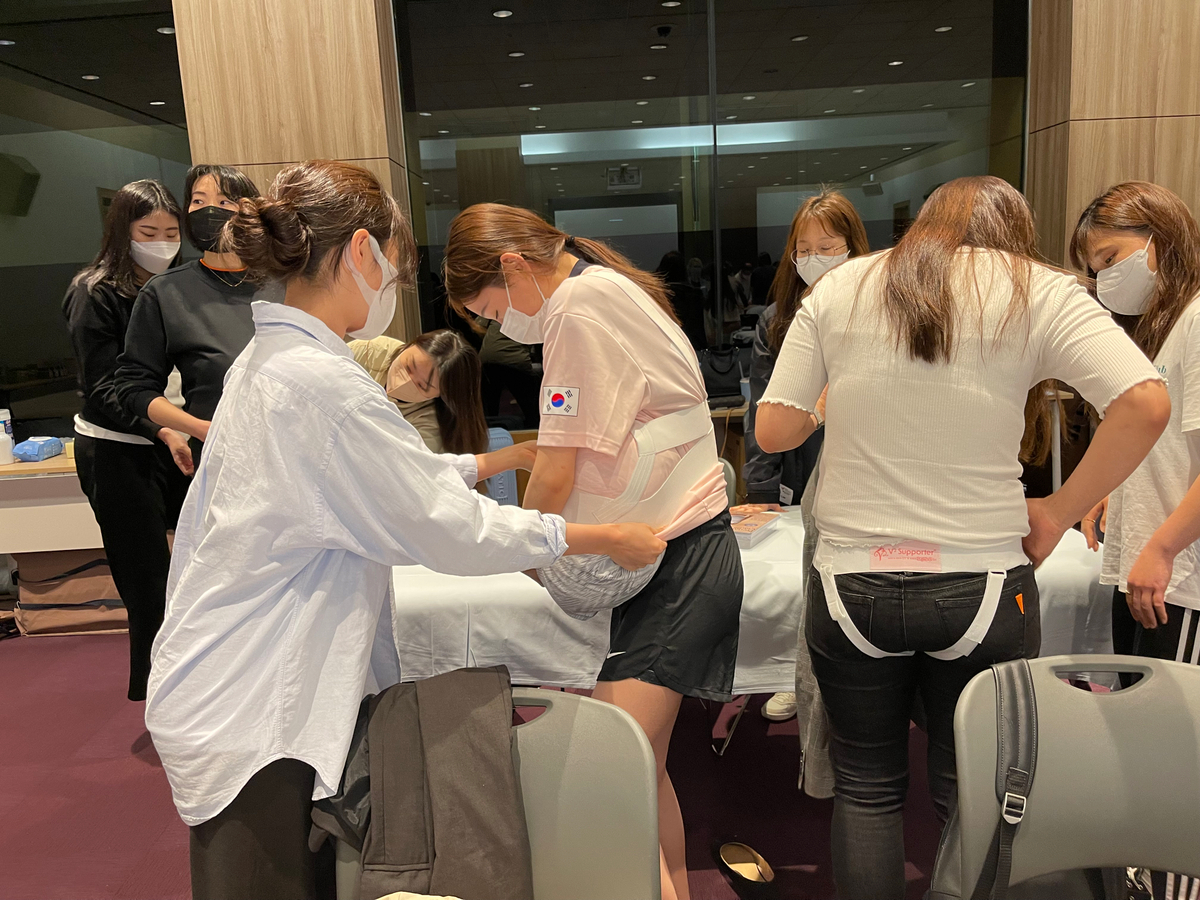
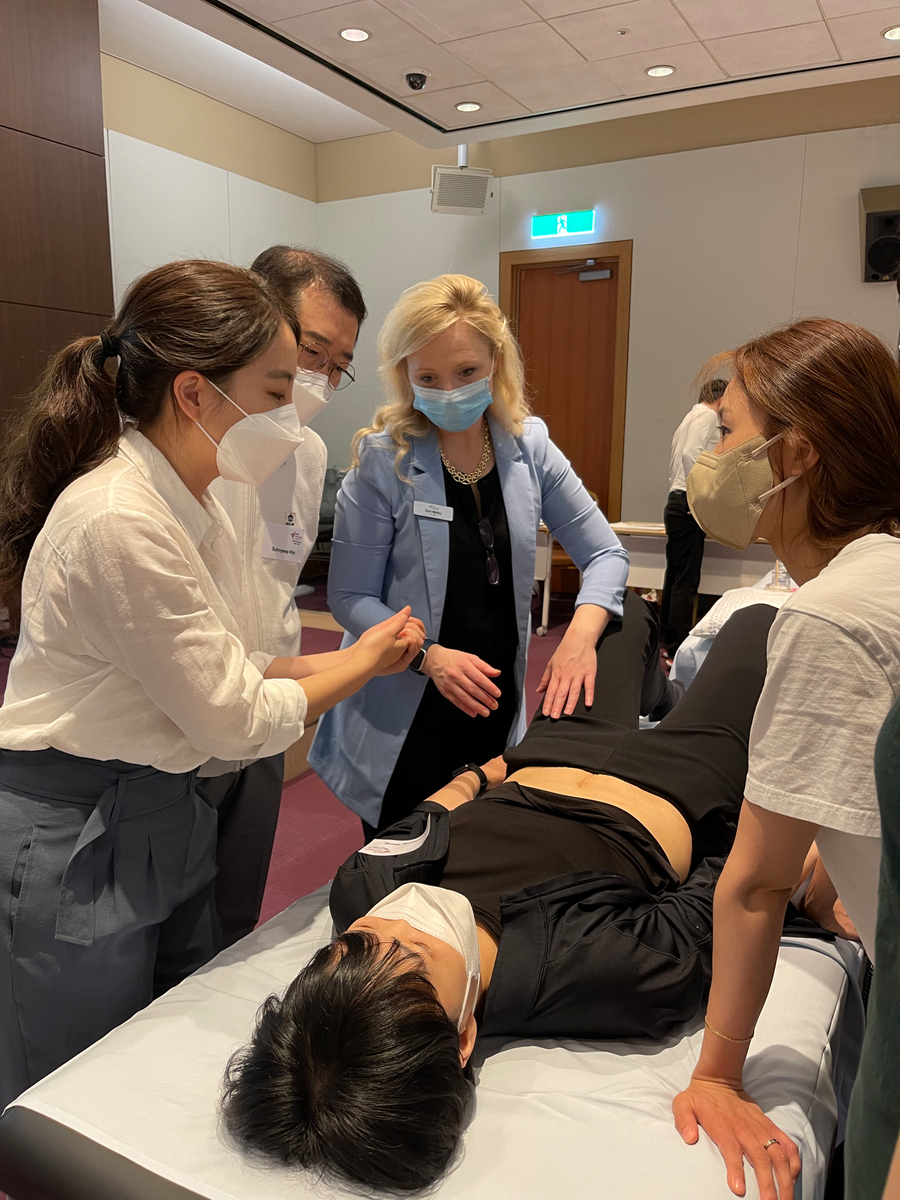
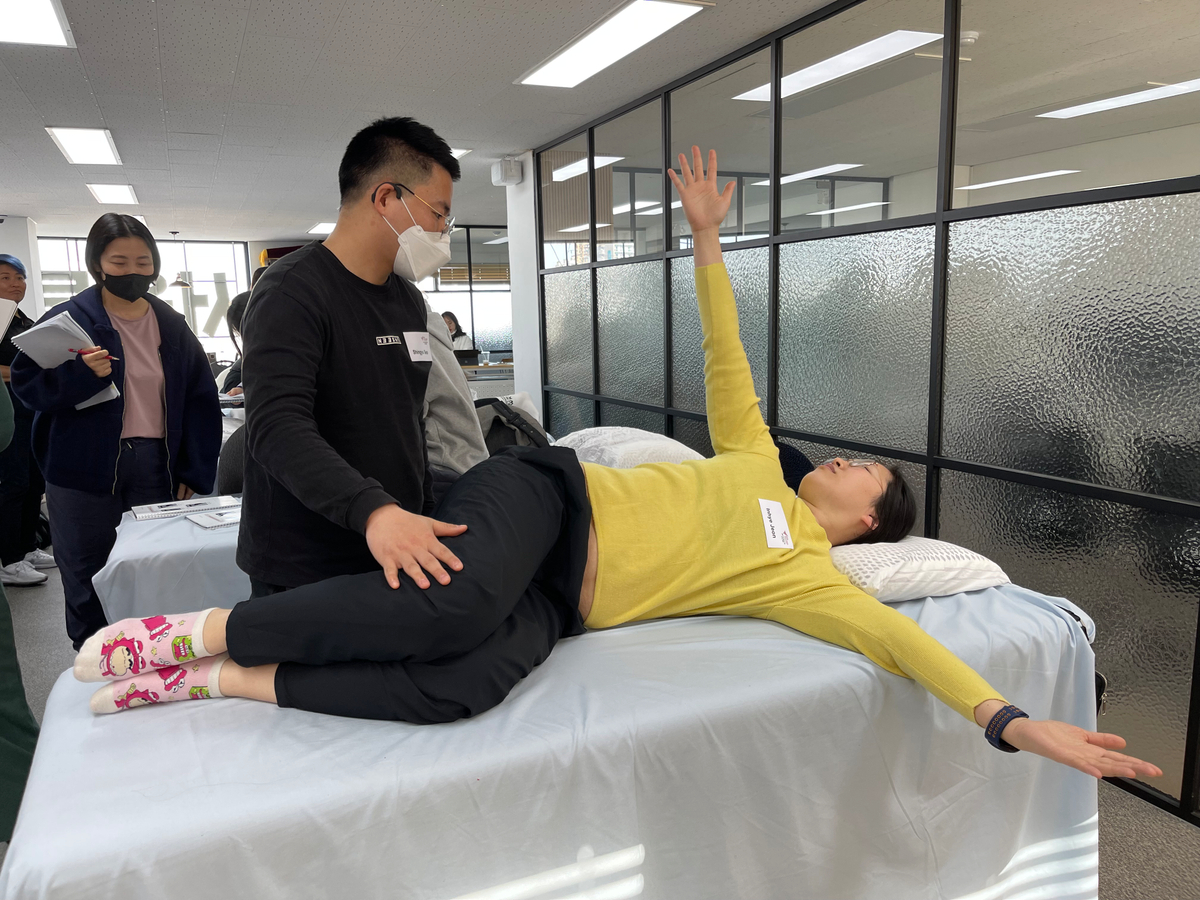
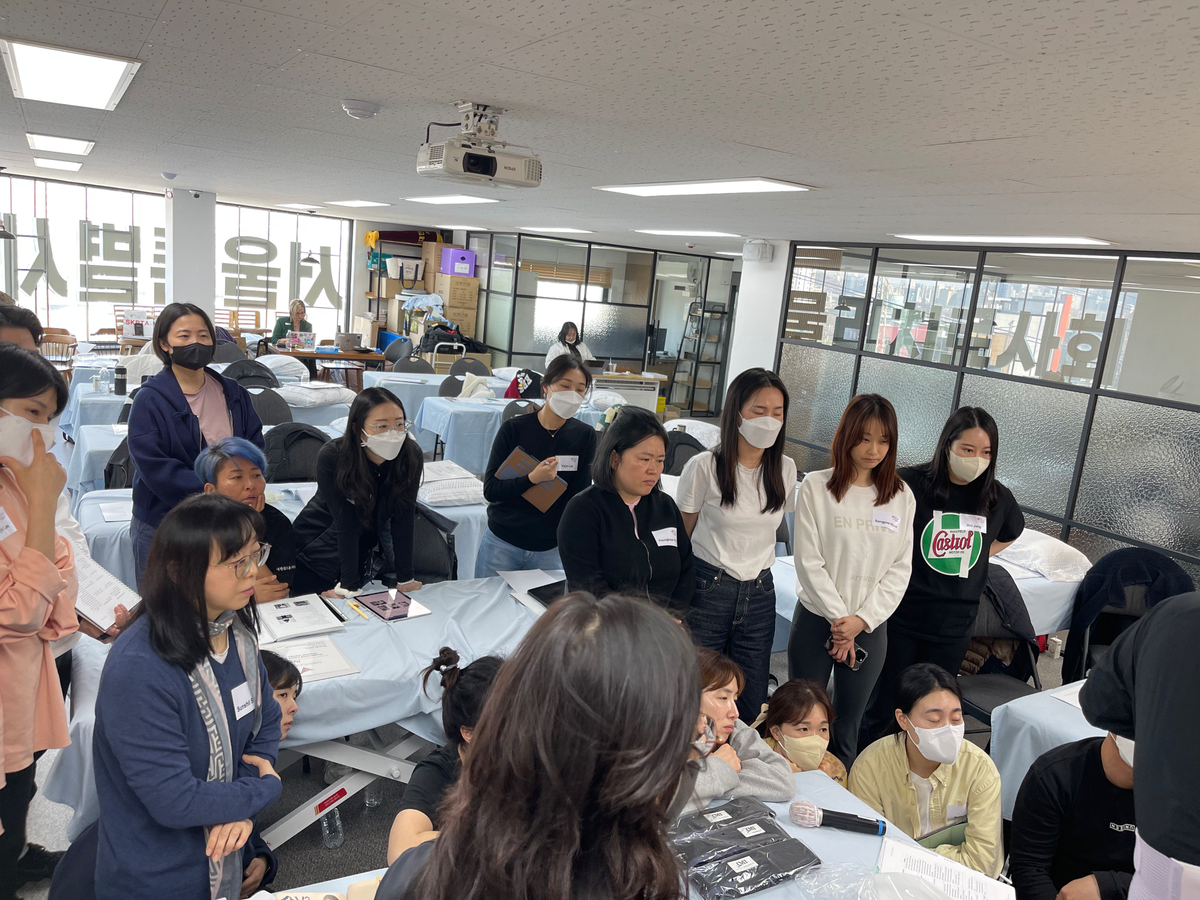
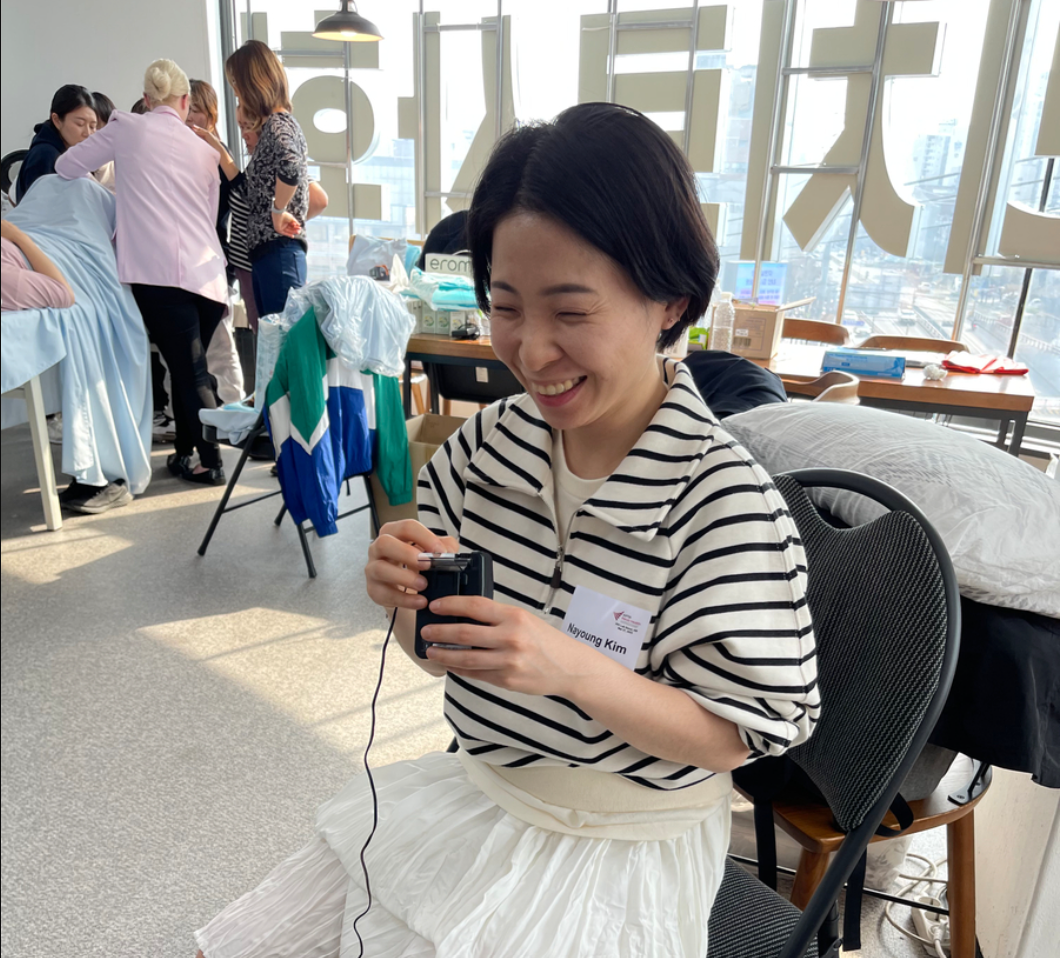
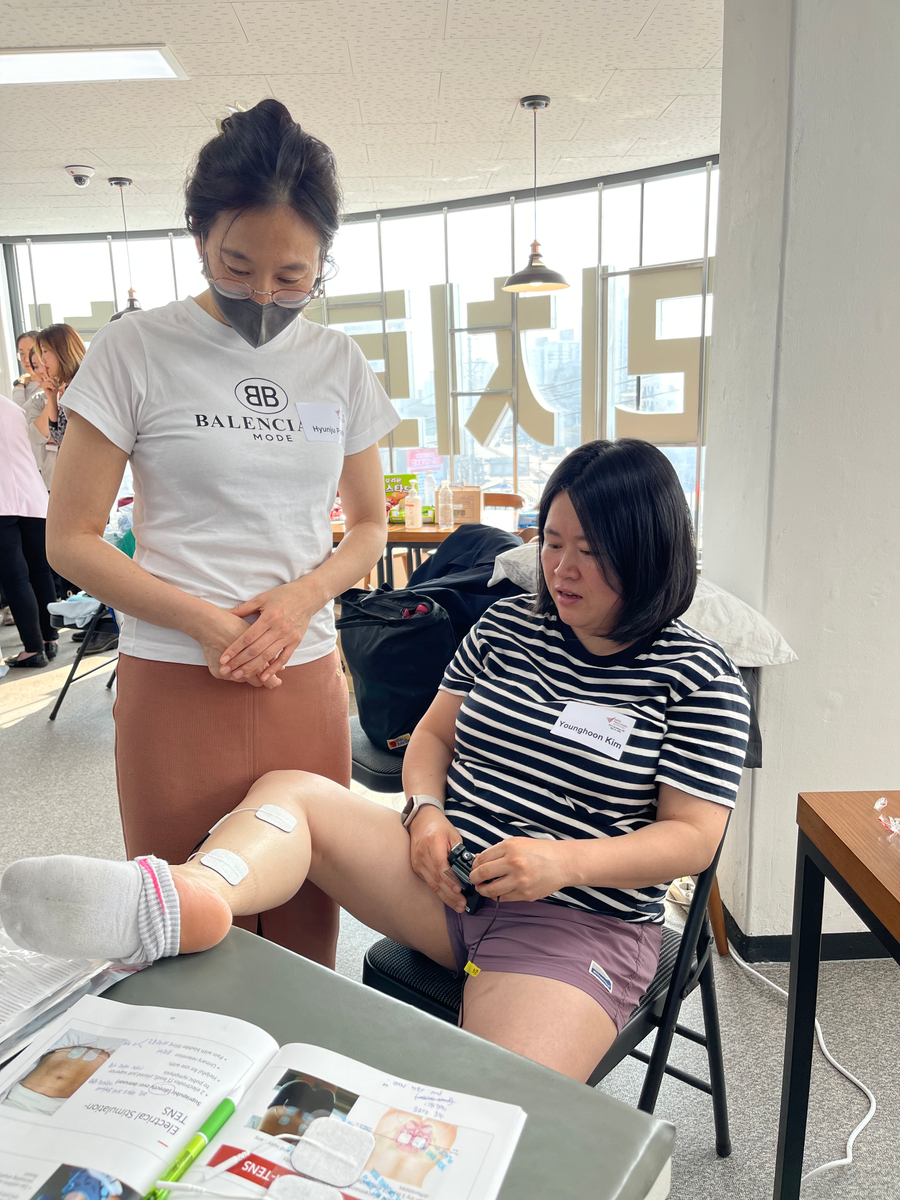
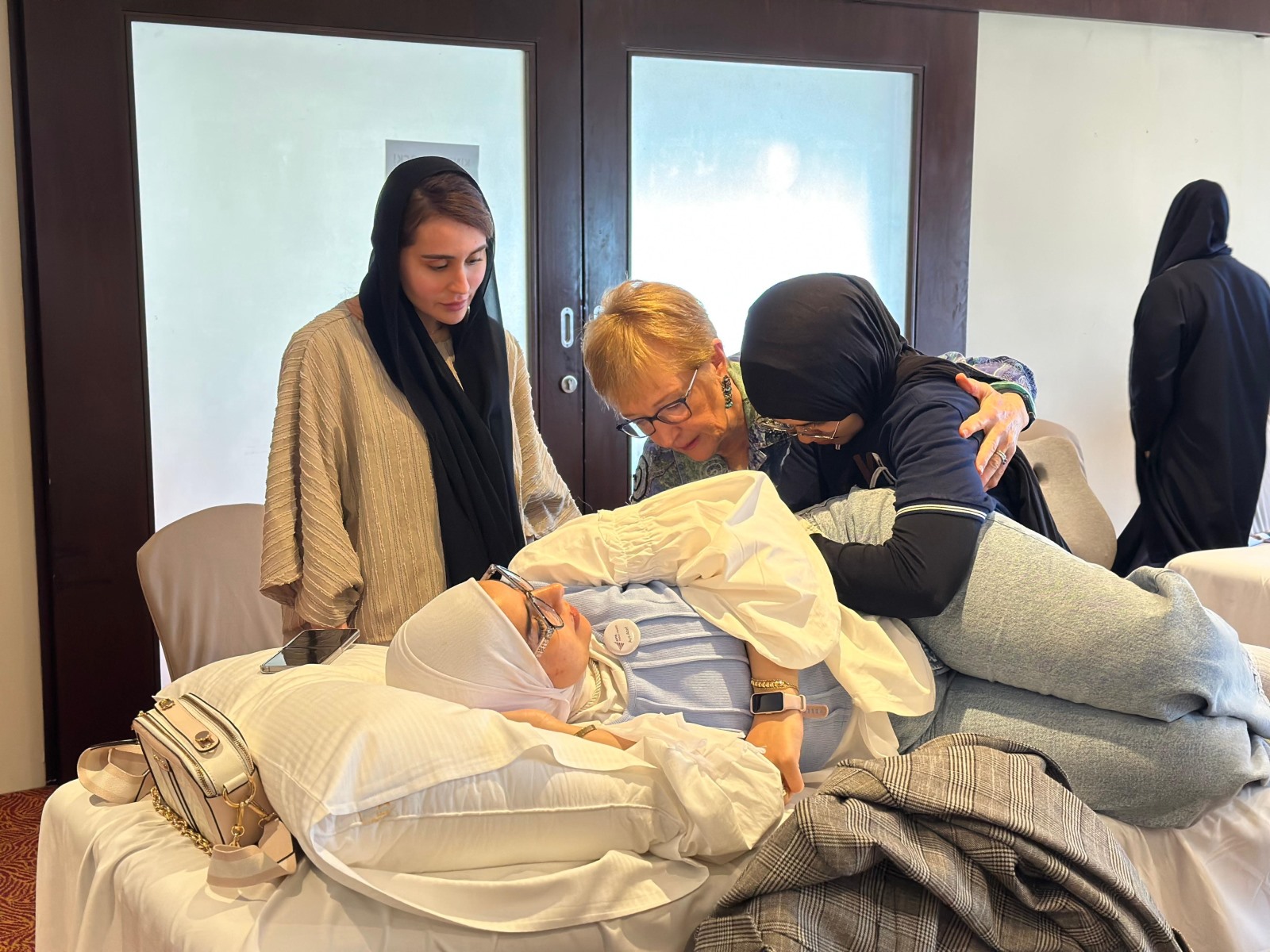
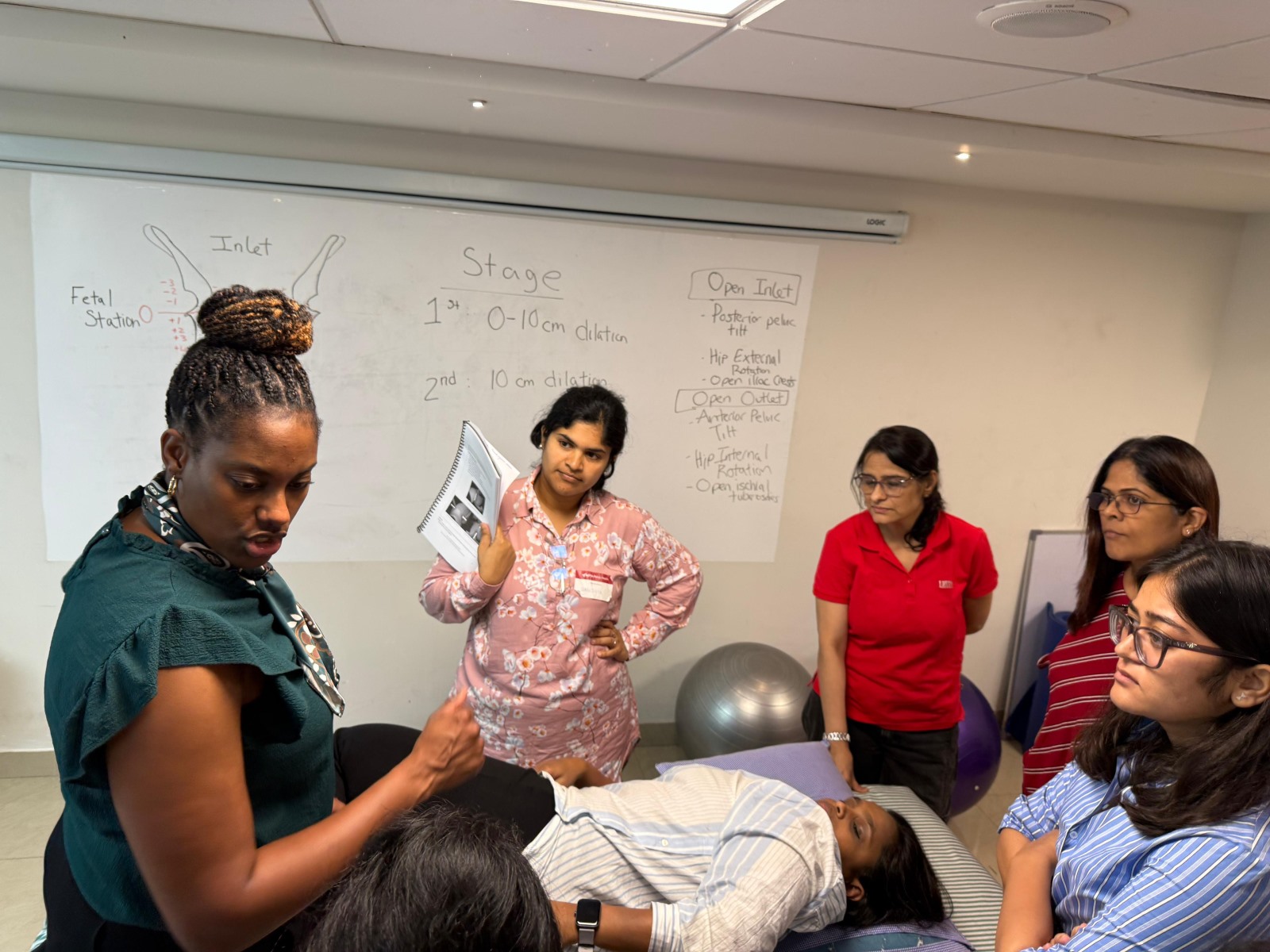
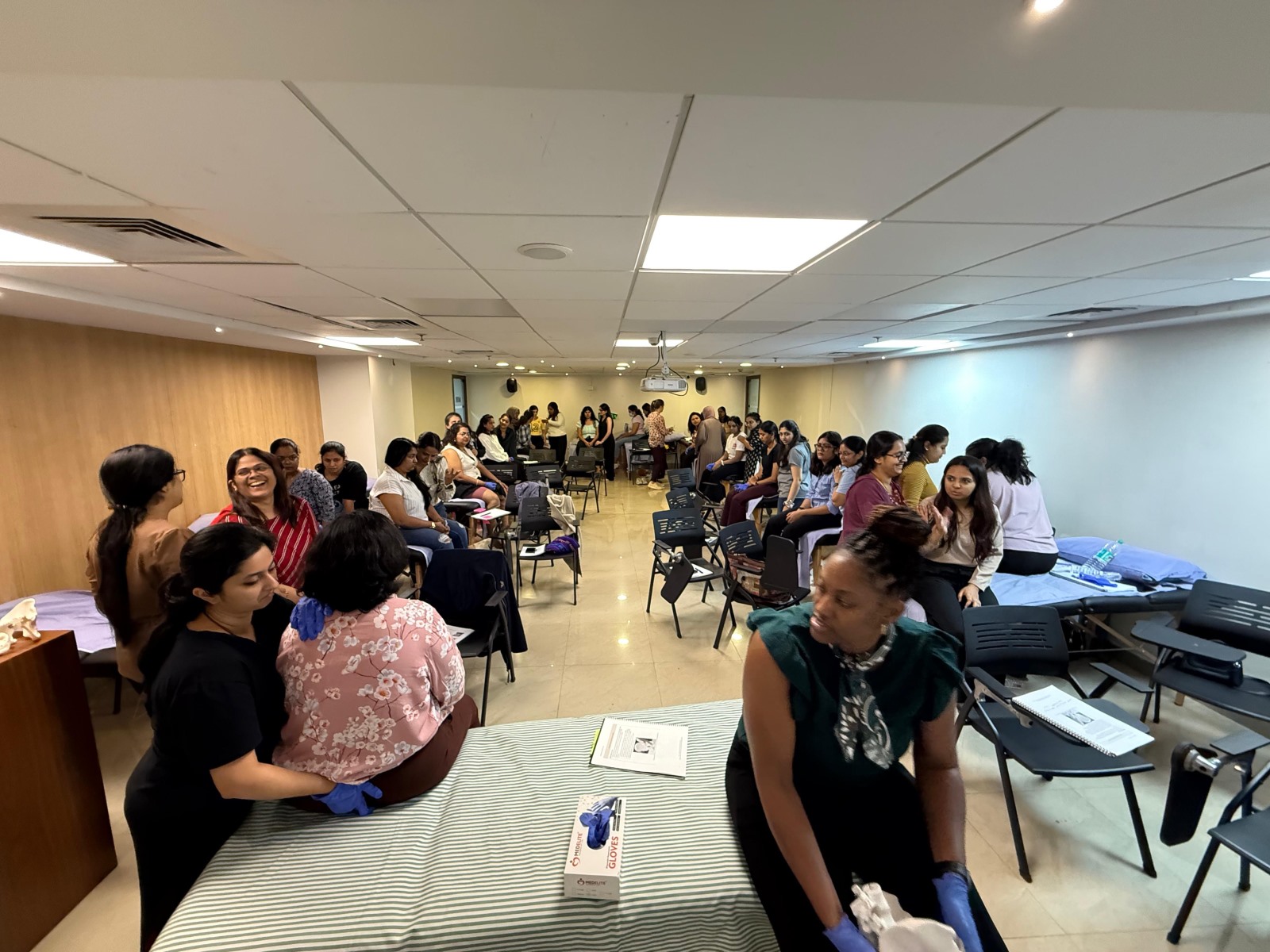
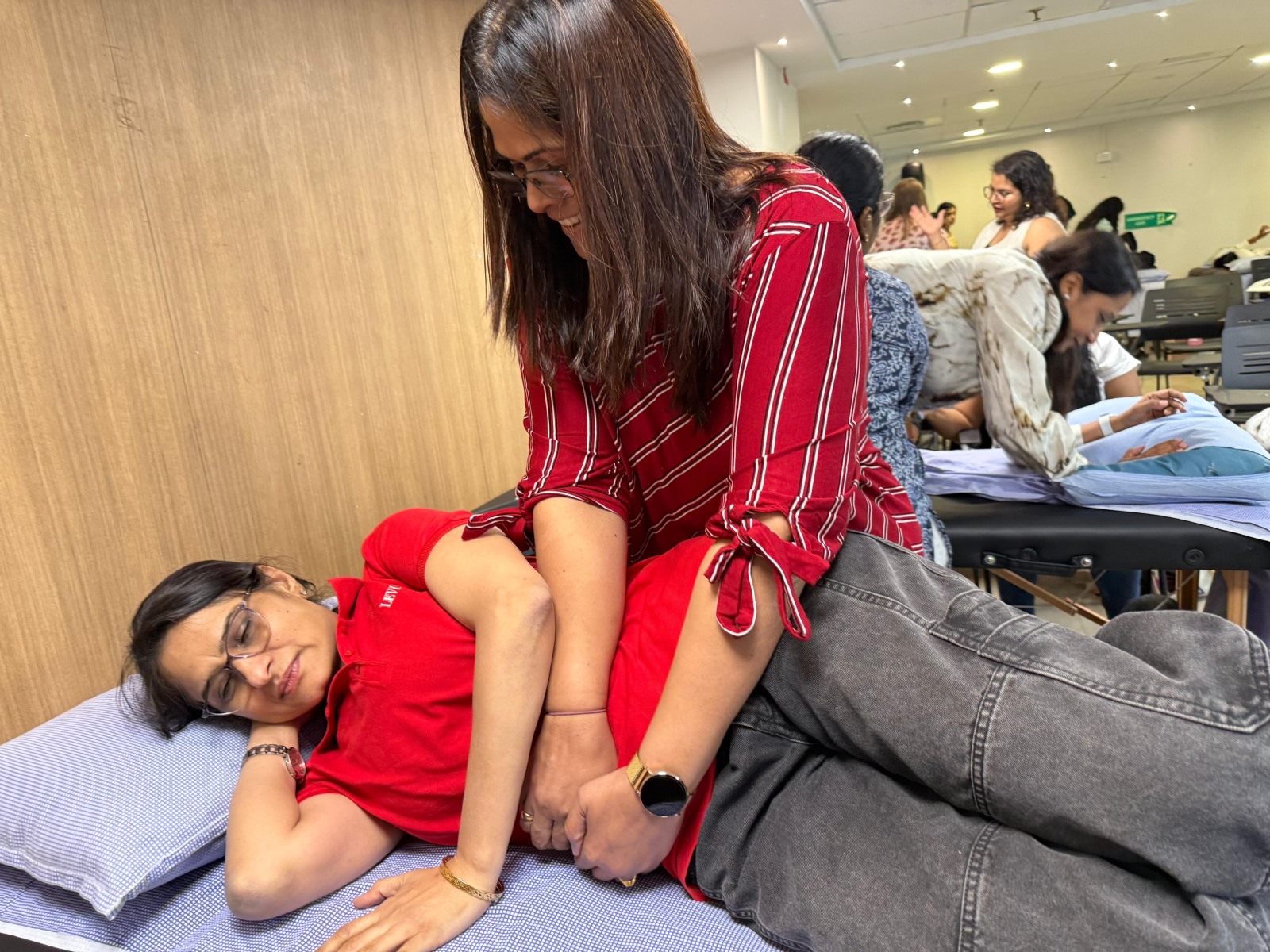
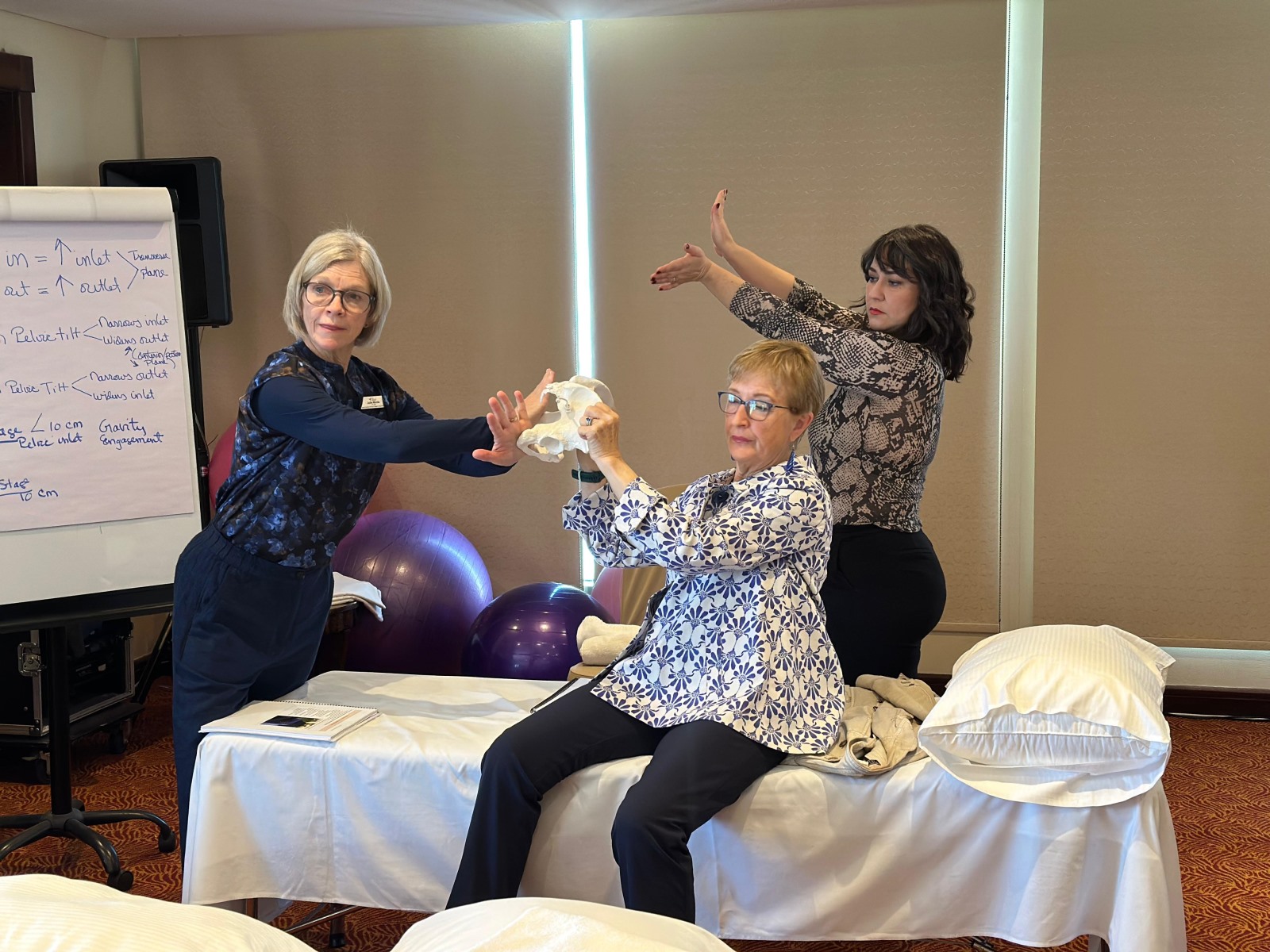
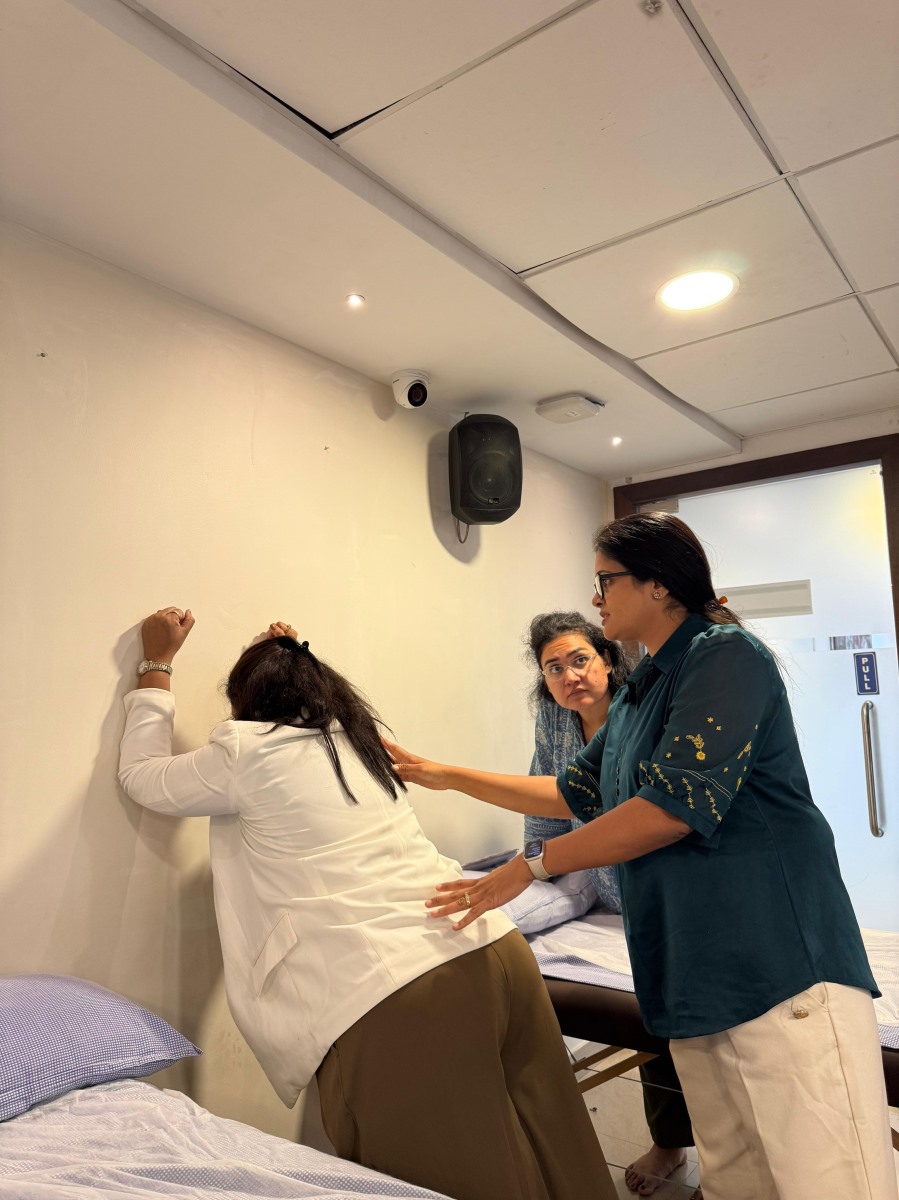
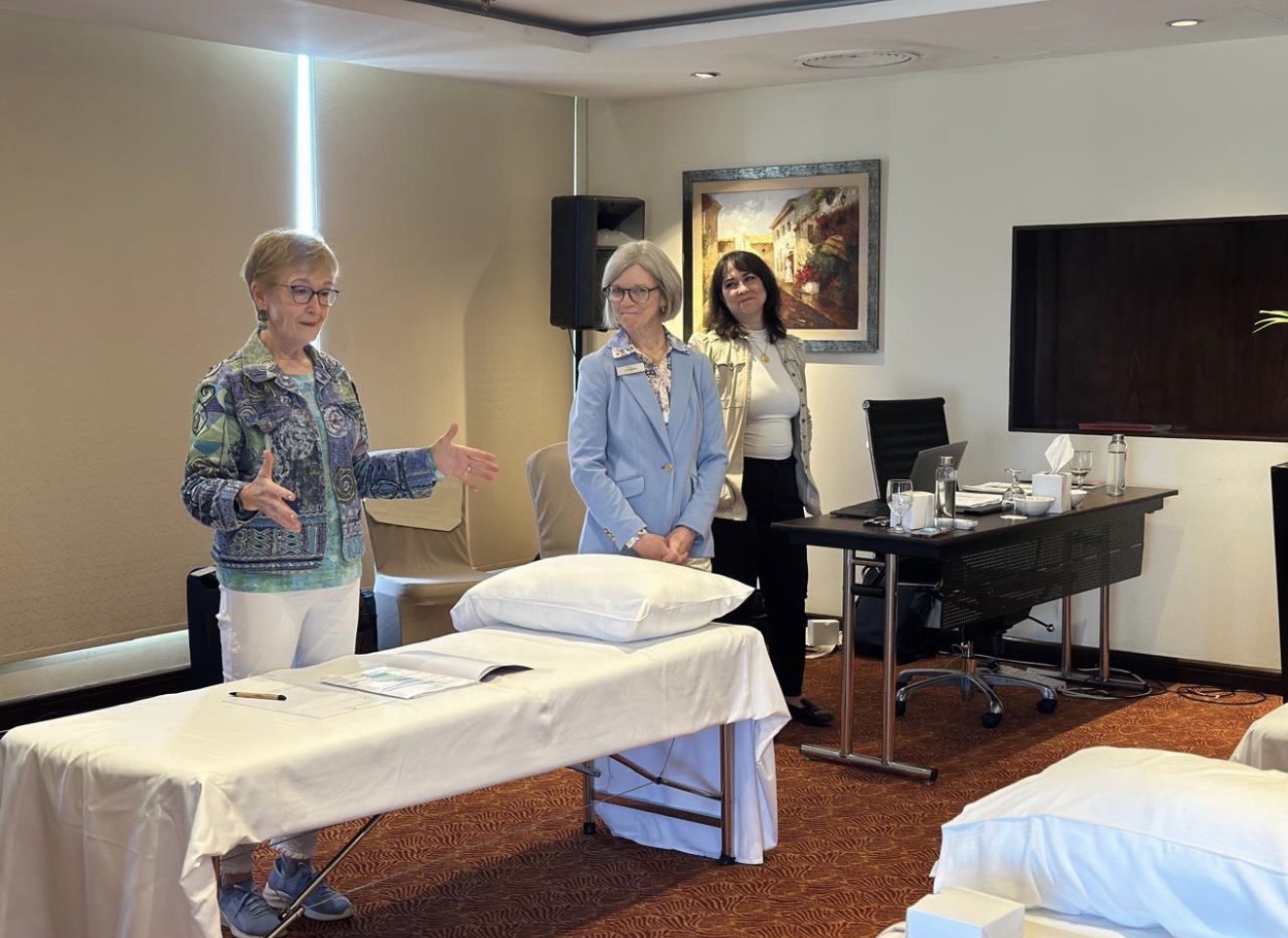
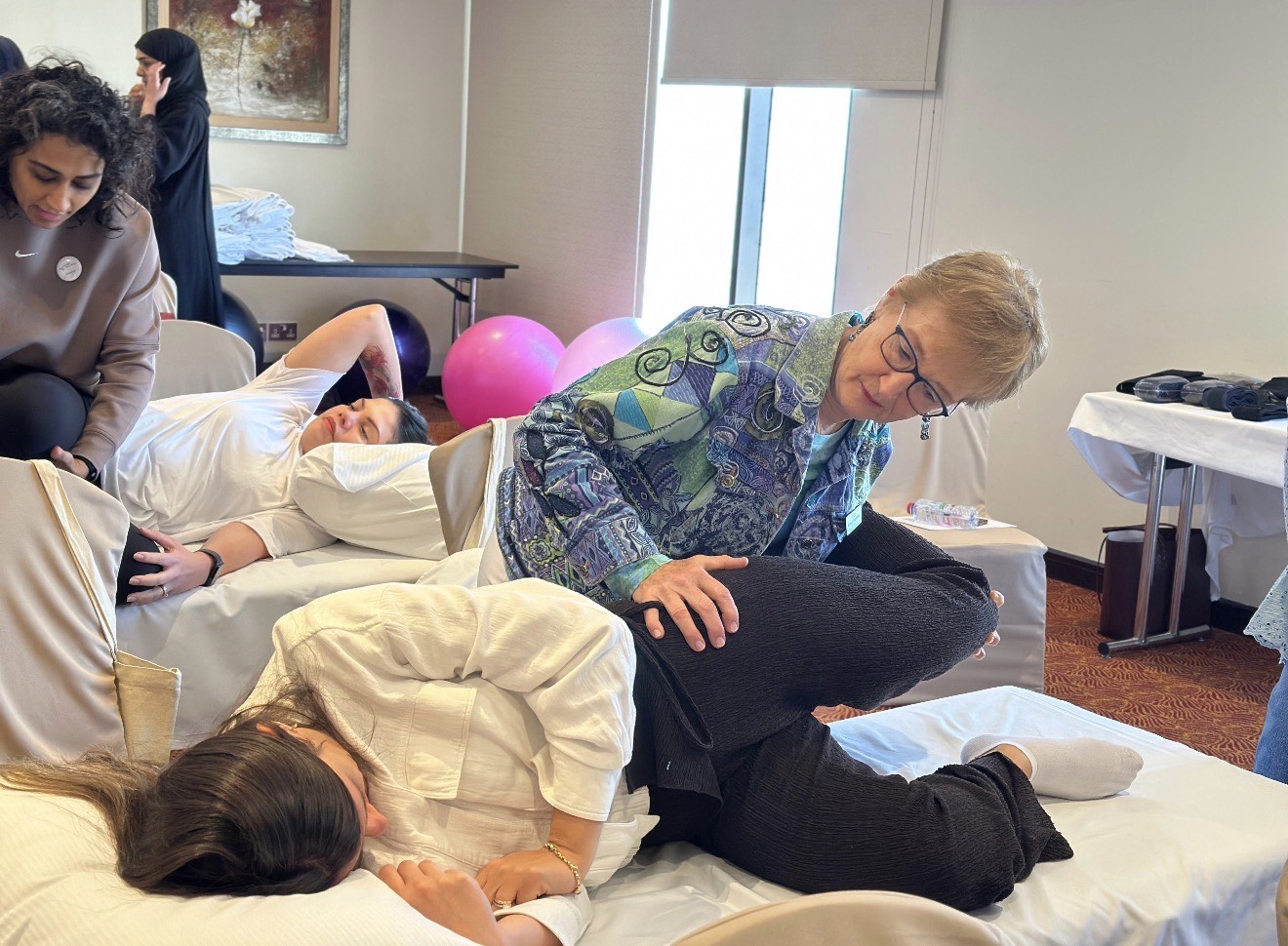
The PH1 Lab course provides physical therapy professionals with the opportunity to apply the foundational knowledge gained in the PH1 Webinar through in-person, hands-on instruction. Participants will engage in practical lab sessions that include external and internal vaginal examinations, working in small groups of two to three as both clinicians and patients. Course participants of all genders may be present during these examinations. 

The course focuses on the clinical application of skills related to external and internal vaginal examinations, building upon concepts covered in the PH1 Webinar such as pelvic girdle anatomy, physiology of micturition, dysfunctions of the lower urinary tract, pelvic muscle dysfunction, patient history examination, testing and treatment interventions for underactive pelvic floor muscle conditions, urogynecologic surgeries, medication considerations, and prevention of pelvic floor dysfunction.

Learning Objectives
Upon completion of the PH1 Webinar and PH1 Lab, participants will be able to:

Examination / Evaluation

  1. Identify and examine the anatomy of the pelvic girdle
  2. Describe the function of the lower urinary tract and female pelvic organs.
  3. Demonstrate proper infection control techniques involved in pelvic floor muscle examination.
  4. Perform an external evaluation of the female genitalia, verbally identifying bones, ligaments, muscles, and other structures.
  5. Perform an internal pelvic examination, identifying muscles, ligaments,and bony prominences with identification of pelvic floor muscle origins and insertions.
  6. Demonstrate proper technique in testing the muscle strength of the levator ani muscles.
  7. Demonstrate proper technique in testing for pelvic organ prolapse.
  8. Demonstrate proper use of handheld EMG biofeedback to assess pelvic floor musculature.

Diagnosis / Prognosis

  1. Differentiate between underactive pelvic floor muscles and overactive pelvic floor muscles.
  2. Demonstrate an understanding of bladder tests and measurements (bladder diary, urodynamic testing, pad testing, etc.) that are used in the process of differential diagnosis.
  3. Demonstrate the ability to compose a plan of care, including functional goals, prognosis, and length of care for the patient with underactive pelvic floor conditions.
  4. Explain red flags related to tthe reatment of the pelvic floor and understand when to refer to another healthcare provider.
  5. Understand urogynecologic surgeries and their effect on prognosis and pelvic floor muscle dysfunction.
  6. Demonstrate understanding of various medications and their effects on the bowel and bladder and identify how that may affect prognosis for a patient with pelvic floor muscle dysfunction.

Intervention

  1. Explain the effects of pelvic floor underactivity and the proper technique of pelvic muscle exercises for rehabilitative purposes.
  2. Explain the relationship between the abdominal muscles and the pelvic floor muscles as they relate to activities of daily living.
  3. Describe the various interventions available to strengthen the muscles of the patient with an underactive pelvic floor, and clinically reason when and why the various interventions might be used.
  4. Demonstrate proper use of a handheld pelvic floor muscle electrical stimulation unit and explain its appropriate uses for a patient with pelvic floor muscle dysfunction.
  5. Describe techniques that can be used to train (retrain) the bladder and when each intervention might be used.

9.0 Contact Hours

The PH2 (Pelvic Health Physical Therapy Level 2) consists of three separate required courses: PH2PP Webinar, PH2BD Webinar, and PH2 Lab. To advance to the PH2 Lab, one must have successfully completed PH1 (either PH1 Webinar/PH1 Lab or PH1 Combined) and at least one of the PH2 webinars. Clinical decision-making and an integration of skills and knowledge acquired at PH1 Webinar + PH1 Lab (or PH1 Combined), PH2 Bowel Dysfunction Webinar, PH2 Pelvic Pain Webinar will be implemented in this course.

In this course, physical therapy professionals will gain skills immediately applicable in the clinic. The PH2 Lab course includes complete internal vaginal pelvic floor, internal rectal pelvic floor muscle, and external abdominopelvic examination and treatment techniques. Topics covered include infection control, rectal exam, biofeedback, pelvic manual therapy, and summative skills assessment. Course participants of all genders may be present in the room during the completion of examinations. 

Learning Objectives
Upon completion of the PH2BD Webinar, PH2PP Webinar, and this PH2 Lab, participants will be able to:

Examination / Evaluation

  1. Describe the anatomic, physiologic, and neurological components of defecation and dysfunctional defecation.
  2. Perform an appropriate evaluation of a patient with bowel disorder diagnoses to include fecal and anal incontinence, irritable bowel syndrome, constipation, and obstructed defecation.
  3. Demonstrate ability to perform rectal pelvic floor muscle examination for patients with bowel dysfunction.
  4. Assess coccygeal function and joint mechanics for patients with pelvic pain or bowel dysfunction.
  5. Describe the anatomic, physiologic, and neurological components of pelvic pain diagnoses.
  6. Perform an appropriate evaluation of a patient with pelvic pain diagnoses to include pudendal neuralgia, vulvodynia, vaginismus, painful bladder syndrome, endometriosis, and coccydynia.
  7. Demonstrate ability to perform a vaginal pelvic floor muscle examination for patients with pelvic pain diagnoses.
  8. Describe the female sexual response and demonstrate understanding of sexual dysfunction.

Diagnosis / Prognosis

  1. Differentiate between musculoskeletal impairments related to bowel dysfunction and signs and symptoms associated with non-musculoskeletal pathology requiring further medical examination.
  2. Develop functional goals for musculoskeletal impairments identified in patients with bowel disorders based on a systematic interview and examination of the patient.
  3. Demonstrate understanding of colon and anorectal function testing for bowel disorders.
  4. Differentiate between musculoskeletal impairments related to pelvic pain and signs and symptoms associated with non-musculoskeletal pathology requiring further medical examination.
  5. Develop functional goals for musculoskeletal impairments identified in patients with pelvic pain based on a systematic interview and examination of the patient.

Intervention

  1. Develop an evidence-based and appropriate plan of care for physical therapy intervention of musculoskeletal impairments for patients with bowel dysfunction.
  2. Perform manual myofascial release techniques, trigger point release techniques, coccyx mobilization for the treatment of patients with bowel dysfunction.
  3. Describe and perform appropriate clinical application of surface electromyographic (sEMG) biofeedback for bowel dysfunction diagnoses.
  4. Describe and perform appropriate clinical application of digital rectal biofeedback and EMG biofeedback as an intervention for patients with bowel dysfunction.
  5. Provide behavioral intervention strategies to improve bowel function, such as diet, lifestyle changes, and proper toileting techniques and posture.
  6. Develop an evidence-based and appropriate plan of care for physical therapy intervention of musculoskeletal impairments for patients with pelvic pain.
  7. Perform manual myofascial release techniques, trigger point release technique, and abdominopelvic interventions for the treatment of patients with pelvic pain.
  8. Describe appropriate clinical application of modalities for pelvic pain diagnoses.
  9. Perform external manual therapy techniques and rigid taping techniques to address pain and dysfunction related to the coccyx.
  10. Provide behavioral intervention strategies to manage pelvic pain, including lifestyle changes, diet, and proper posture.
20.5 Contact Hrs. 

The PH3 (Pelvic Health Physical Therapy Level 3) consists of three separate courses: PH3 Hybrid Webinar, PH3 Neuro Webinar, PH3 Male Webinar, and PH3 Peds Webinar. The completion of only one is required to become eligible for CAPP. To advance to any of the PH3 Webinars, one must have successfully completed PH1 (either PH1 Webinar/PH1 Lab or PH1 Combined), PH2PP Webinar, PH2BD Webinar, and PH2 Lab. Please note that there is no lab component to any of the PH3 webinars; all PH3 webinar options are 100% virtual.

In this webinar course, we teach physical therapy professionals clinically relevant information and training for the evaluation and intervention of male urinary incontinence and pelvic pain, lifespan-specific considerations, including pediatrics, and individuals with neurological involvement. 

Topics

  • Pathophysiology
  • EMG relaxation training
  • Male patient rectal examination
  • Introduction to rehabilitative ultrasound imaging (RUSI)
  • Physical therapy evaluation and intervention of pelvic floor dysfunction (PFD) in male patients
  • Pediatric populations
  • Geriatric populations
  • Neurologic patients
  • Changes in the pelvic organs throughout the life cycle
  • Interdisciplinary treatment of pelvic dysfunction
  • Clinical decision-making
  • Integration of skills acquired at all CAPP Pelvic courses

This course is composed of 2 days of synchronous online instruction via webinar and 1 day of prerecorded content. Successful completion will meet the expectation for the PH3 level requirement to pursue the  Certificate of Advanced Practice in Physical Therapy in Pelvic Health (CAPP-Pelvic). 

Learning Objectives
Upon completion of this course, participants will be able to:

Examination / Evaluation

  1. Describe the anatomic, physiologic, and neurological components of pelvic floor dysfunction diagnoses, including male, pediatric, geriatric, and neurologic populations.
  2. Differentiate between male and female urogenital anatomy and the effect on pelvic floor muscle examination and intervention.
  3. Identify the causes of pediatric and neurological pelvic floor dysfunction diagnoses.
  4. Describe an appropriate evaluation of a male, pediatric, geriatric, and neurologically involved patient with pelvic floor dysfunction using objective measurement skills

Diagnosis / Prognosis

  1. Differentiate between musculoskeletal, neurological, and conditions that require medical intervention based on a systematic interview and examination of the patient with pelvic floor dysfunction.
  2. Describe the impairments best suited to rehabilitation ultrasound imaging (RUSI) for the treatment of pelvic floor dysfunction.
  3. Develop functional goals for musculoskeletal and neurological impairments based on a systematic interview and examination of the patient with pelvic floor dysfunction.

Intervention

  1. Develop an evidence-based plan of care for physical therapy intervention for the male, pediatric, geriatric, or neurologically involved patient with pelvic floor dysfunction.
  2. Lead a patient through a relaxation program utilizing sEMG Biofeedback as a tool for down-regulation of the sympathetic nervous system.
  3. Select appropriate patients with pelvic floor dysfunction that might benefit from the use of RUSI.
Meet Our Pelvic Health Lab Faculty

Tap on the name to view the instructor's biography.

Dr. Whitney Bartley, PT, DPT, DHSc is a CAPP-Pelvic Certified Physical Therapist, Pelvic Health Instructor, and former CAPP-Pelvic Committee Chair and Governance Committee Chair for the APTA Academy of Pelvic Health Physical Therapy. Dr. Bartley received her Doctorate in Physical Therapy in 2010 and her Doctorate in Health Sciences (Health Administration and Education) in 2025. She has devoted her practice in working with adult and pediatric  patients through the provision of both acute and outpatient care services. She joined the faculty of the APTA Academy of Pelvic Health Physical Therapy in 2016 and has aimed this professional work toward educational development, mentorship, and advocacy for physical therapists interested in the field of pelvic health physical therapy. A passion for research and evidence-based practice has awarded her presentation opportunities on both the state, national, and international level. Dr. Bartley has published peer-reviewed articles, texts, book reviews, and other educational content related to the treatment of pelvic health dysfunction. Dr. Bartley now serves as an Assistant Professor in a U.S.-based DPT program. Outside of work, Dr. Bartley enjoys spending time with her family, traveling, and being outdoors. 

Download CV 

Kari Melby graduated with her Master of Physical Therapy degree in 2002 from the University of North Dakota’s School of Medicine and Health Sciences. She has spent the majority of her physical therapy career focusing in obstetrical care and pelvic health. In addition to patient care, Kari has over 15 years of experience in the growth and development of pelvic health programming, involving both operational and mentorship initiatives. Kari also shares a passion for education within the realm of physical therapy. She has presented to numerous healthcare professionals in various settings, including medical residency programs, national conferences, as well as national and international educational offerings; and, is adjunct faculty for a local physical therapy program.

Kari has been a faculty member for the American Physical Therapy Association’s (APTA) Academy of Pelvic Health Physical Therapy’s (APHPT) CAPP-Pelvic coursework since 2012. In 2018, Kari was honored to receive the Academy’s CAPP-Pelvic Outstanding Instructor of the Year award. Kari has also been involved through volunteerism and committee work with the APHPT since 2012, serving 2 terms on the Academy’s CAPP-Pelvic Committee, where she assisted in the authoring and development of course materials; and, has been a committee member on the APHPT’s Governance Committee since 2018.

Allie is a pelvic floor physical therapist working in a hospital-based outpatient clinic in Portland, Oregon. She received her DPT from the University of Utah in 2019. She treats patients of all genders and is especially passionate about treating folks with neurologic conditions and cancer. Her clinical practice focuses on trauma informed care and education to help her patients be actively involved in their care.

In her free time, Allie likes to hike, ride her bike, and bake.