Attitude and Words Matter! Shifting Provider Language from Sexual “Tolerance” to Participation
Monday, April 27, 2026 | 8:00 PM - 9:30 PM EST
This session focuses on pre-menopausal women and pre-andropausal men, most commonly in their 20s and 30s. Participants will explore sexual participation through an ICF and biopsychosocial lens, integrating the PLISSIT model to normalize conversations about sexual health and clarify individual goals. The session will highlight pain science considerations for discussing sexual activity and provide strategies for using language that reduces fear and promotes active sexual participation rather than mere “tolerance.”
Register Now https://www.aptapelvichealth.org/events/virtual-pop-up-sexual-health-dysfunction-ipps-apta

- Describe the role of the brain’s threat assessment system in shaping patients’ experiences of sexual pain and readiness for intimacy.
- Identify common tolerance-based communication patterns that may unintentionally reinforce threat responses in sexual rehabilitation.
- Apply nervous system–informed language strategies that support safety, autonomy, and patient agency in discussions about sexual activity.
- Integrate trauma-informed and pain science principles to support patients’ return to meaningful sexual participation.
About the Speaker

Dr. Rose Schlaff, PT, DPT, WHC, IF (she/her) is a pelvic physical therapist, and mentor in integrative sexual wellness. She specializes in bridging neuroscience, somatics, and trauma-informed sex counseling to help clients and clinicians transform pelvic health and intimacy outcomes.
Dr. Rose is the creator of the Reclaim the Flame® method, an evidence-informed framework that integrates functional neurology, nervous system regulation, and sexual wellness education to support desire, reduce pain, and restore pleasure. She has trained medical providers, therapists, and wellness practitioners internationally and has served as lecturer for sex therapy and counseling programs at the University of Michigan and San Diego State University and Bastyr University.
In her clinical work and professional trainings, Dr. Rose focuses on helping women and LGBTQIA+ individuals reconnect with their bodies, cultivate agency in intimacy, and build sustainable pathways to pleasure and connection. Learn more at www.bewellwithrose.com or follow her at @bewellwithrose.
- Define “attitude” and understand it’s implications in clinician-patient communication.
- List at least 5 examples of positive, supportive, non-judgmental communication statements to use with patients navigating sexual pain
- Understand the difference between “participation” and “tolerance” language to use with sexual pain patients regarding physical therapy and sexual activity
- Understand how to encourage patients to talk to their bodies in a supportive, versus forceful, manner.
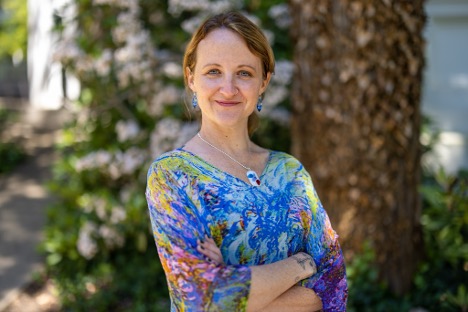
Dr. Alexandra Milspaw (she/her) is a licensed professional counselor in Pennsylvania and South Dakota, an AASECT-Certified Sex Therapist, an IPPS Pelvic Pain Specialist Designee and Mentor, and a Board Certified Hypnotist. Dr. Milspaw has been in private practice since 2012 and currently works virtually providing consultations for individuals and relationships around the world. Dr. Milspaw serves as the President of the International Pelvic Pain Society (IPPS) and serves as Co-Director of the IPPS Clinical Foundations Training Course since 2018. Dr. Milspaw specializes in post-traumatic stress disorder, chronic pain and sexual health, providing educational and experiential presentations and workshops locally, nationally, and internationally. Her life's work and passion is aimed towards bridging the gap between the medical and psychological worlds, hoping to improve the efficiency and effectiveness in improving the lives of both patient and practitioner. She is the author of Hello Down There: A Guide to Healing Pelvic and Sexual Pain and several peer-reviewed published articles and book chapters. More information about her therapeutic approach and courses can be found at www.dralexmilspaw.com.
Join Today!
Who is eligible for Academy membership?
"As a new grad navigating the world of pelvic health, I am grateful for the opportunities that the Academy of Pelvic health provides, especially the free webinars and journal clubs, to further my education and dive deeper into topics that were not addressed in school." - Julie H., Member
Join Us