“A Glass of Wine” Not Cutting It – Painful Intercourse in Younger Women
Tuesday, April 28, 2026 | 8:00 PM - 9:30 PM EST
This session focuses on pre-menopausal women, most commonly in their 20s and 30s. Participants will learn to differentiate diagnoses within mechanical sexual dysfunction, including vulvodynia, vaginismus, and dyspareunia, prioritize treatment based on examination findings, and apply key strategies tailored to patient impairments and individual goals.

- Differentiate among vulvodynia, vaginismus, and dyspareunia by applying evidence-based diagnostic criteria and musculoskeletal examination findings within the scope of pelvic health physical therapy practice.
- Prioritize treatment interventions based on primary impairments identified during examination, including pelvic floor hypertonicity, connective tissue restrictions, neurodynamic sensitization, and central sensitization.
- Apply at least three evidence-based treatment strategies—including manual therapy techniques, progressive desensitization protocols, and pain neuroscience education— tailored to patient-specific impairments and functional goals.
- Implement a clinical decision-making framework for sexual pain management in pre- menopausal women that incorporates patient goals, psychosocial factors, and interprofessional collaboration.
About the Speaker
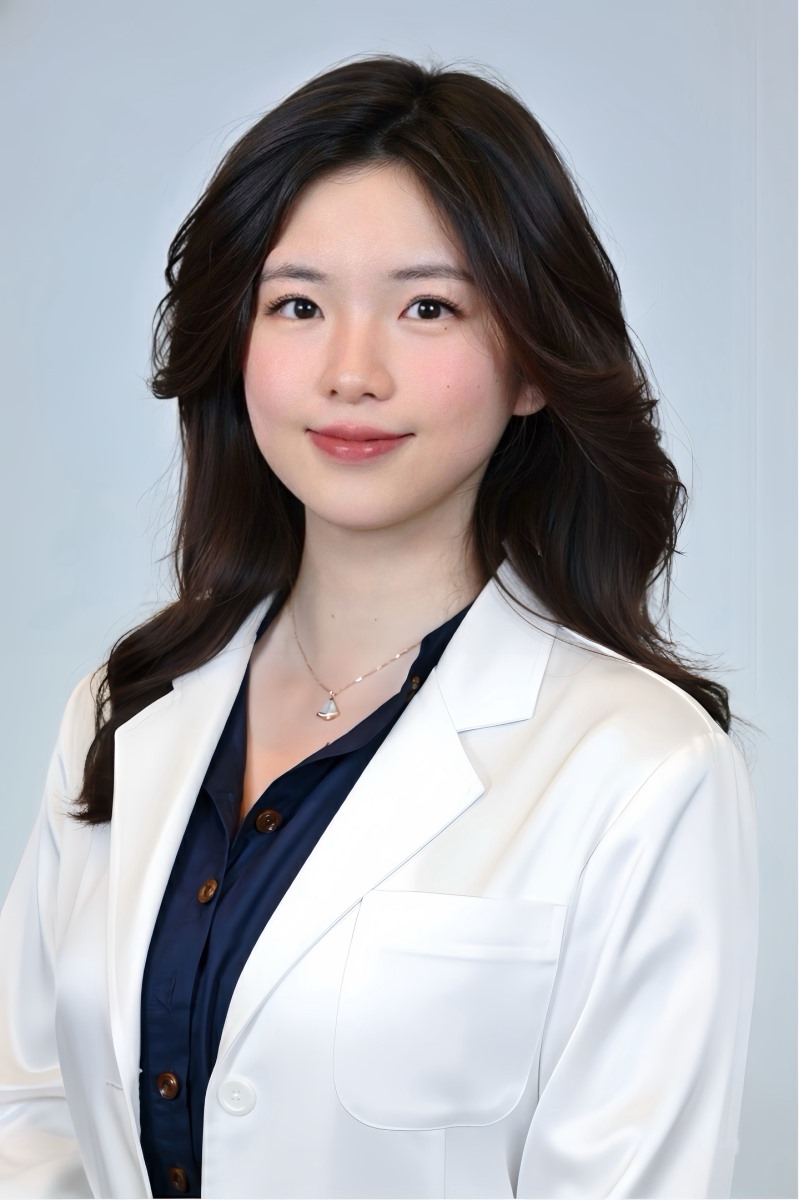
Peng Fan, PT, DPT, is a pelvic health physical therapist and Center Manager at Vibrantcare Rehabilitation in Pinole, California. She specializes in pelvic health, orthopedics, vestibular, and neurological rehabilitation.
Peng Fan graduated from Northwestern University with her Doctor of Physical Therapy degree in April 2023, and obtained her Bachelor's in Applied Exercise Science from Springfield College, MA in 2020. Peng currently serves as Content Editor for the CAPP Pelvic Health Certificate Program and as Content Creator for the CAPP-OB Certificate Program, contributing to advancing pelvic health education nationwide. Currently, she is also serving as the Vice Chair of the Student and Early Career Professionals Community with APTA Orthopedics, and the Newsletter Editor for the International Organization of Physiotherapists in Pelvic and Women'sHealth (IOPPWH).
 Karen Brandon, DSc, PT, Pelvic & Women's Health Board-Certified Specialist is a recognized leader and pioneer in the field of pelvic-health physical therapy. With over two decades of clinical experience in Southern California, she coalesces deep scholarship with practical impact.
After earning her Bachelor of Science in Experimental Psychology, she pursued her Master of Physical Therapy and then her Doctor of Science in Physical Therapy at Loma Linda University, completing the DSc in 2005.
She achieved board-certification as a Women’s Health Physical Therapy Specialist in it’s inception and has since become a key educator and practitioner in the field’s development. Her contributions to clinical texts and creating standard setting for competency in the specialty has been instrumental in inclusion of rehabilitation sciences and cross-discipline programs.
In her current clinical and academic roles, she serves as Regional Clinical Practice Lead for Pelvic Rehabilitation at Kaiser Permanente Southern California and teaches in the doctoral programs at Loma Linda University. She has traveled internationally to teach in Asia, South and Central America and Canada.
Join Today!
Who is eligible for Academy membership?
"As a new grad navigating the world of pelvic health, I am grateful for the opportunities that the Academy of Pelvic health provides, especially the free webinars and journal clubs, to further my education and dive deeper into topics that were not addressed in school." - Julie H., Member
Join Us