IPPS + APTA Pelvic Health Virtual Pop-Up on Interdisciplinary Approaches to Sexual- On Demand
On-Demand Courses
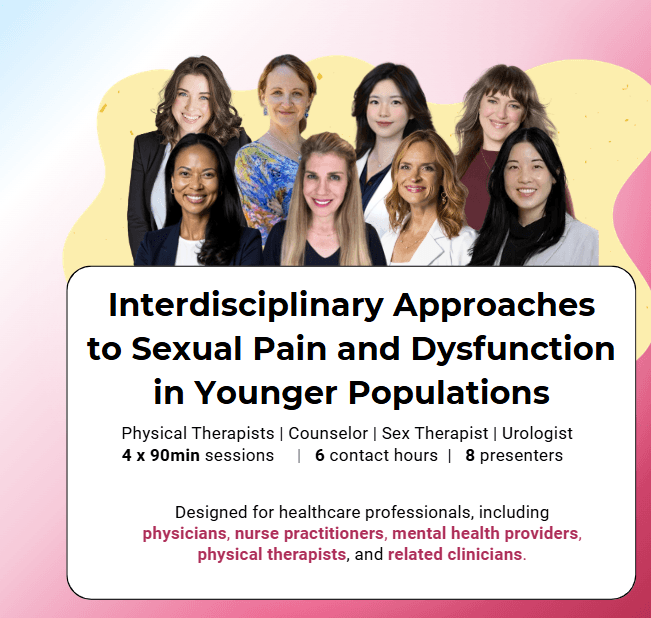
Sexual dysfunction is common across the lifespan and affects individuals of all genders and backgrounds, with estimates suggesting 30–45% of women and 20–30% of men experience clinically significant sexual concerns at some point. Prevalence is higher among individuals with pelvic floor disorders, chronic pain, menopause or postpartum changes, cancer survivorship, cardiometabolic and neurologic conditions, and mental health comorbidities. Despite its frequency and impact on quality of life, sexual dysfunction is often under-screened and under-treated in clinical practice.
This four-part clinical update is designed for healthcare professionals—including physicians, nurse practitioners, mental health providers, pelvic health physical therapists, and related clinicians—and presents an interdisciplinary, biopsychosocial approach to sexual dysfunction.
Participants will review common clinical presentations and explore how medical, pelvic floor, musculoskeletal, neurologic, hormonal, and psychosocial factors intersect. Emphasis is placed on collaborative care, effective screening and communication, appropriate referral pathways, and trauma-informed, patient-centered strategies to improve sexual health outcomes.
Learning Objectives
By the end of this pop-up, participants will be able to:
- Apply pain science–informed, biopsychosocial, and ICF-aligned language when discussing sexual activity to reduce fear, avoid dismissive or tolerance-based messaging, and support meaningful sexual participation for individuals with sexual pain and dysfunction.
- Identify common medical and neuromuscular contributors to painful intercourse in younger women, recognize patterns of diagnostic delay or dismissal, and apply interdisciplinary assessment and referral strategies to support effective, participation-focused treatment planning.
- Explain how the female sexual response cycle—including desire, arousal, and contextual influences—affects tissue tolerance and pain and integrate this understanding into patient education and clinical strategies that support comfortable and meaningful sexual participation.
- Recognize medical, psychosocial, and neuromuscular contributors to anodyspareunia in men who have sex with men, and apply inclusive, interdisciplinary assessment, education, and treatment strategies that promote safe, confident, and participatory anal sexual activity.
Event Highlights
- 4 educational sessions (90 minutes each) with leading experts
- 6 total contact hours
- Live 30-min Q&A session after each session with presenters
- On-demand access to all recordings
- Post-event exam & survey in the Learning Center
- Digital badge & Certificate of Completion
Schedule
- Monday, April 27, 2026 | 8:00 PM - 9:30 PM EST | Attitude and Words Matter! Shifting Provider Language from Sexual “Tolerance” to Participation
- Tuesday, April 28, 2026 | 8:00 PM - 9:30 PM EST | “A Glass of Wine” Not Cutting It – Painful Intercourse in Younger Women
- Wednesday, April 29, 2026 | 8:00 PM - 9:30 PM EST | Timing Matters! – The Female Sexual Response Cycle & Sexual Pain
- Thursday, April 30, 2026 | 8:00 PM - 9:30 PM EST | What About Ken?: Sexual Dysfunction and Pain in Younger Men?
This purchase is non-refundable and non-transferable.