Bridging the Gap | Global & Culturally-Informed Strategies Virtual Pop-Up On-Demand
On-Demand Courses
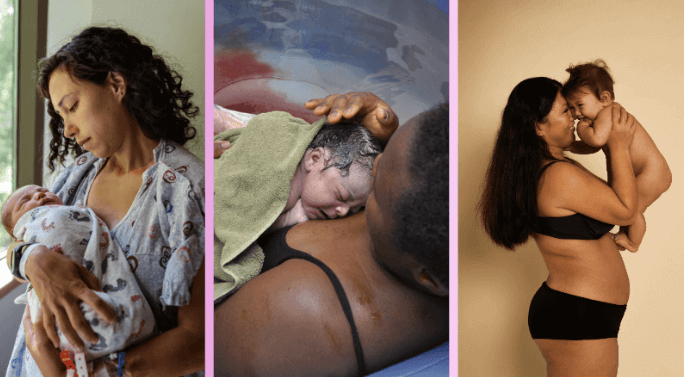
Are you passionate about pelvic health physical therapy and dedicated to advancing postpartum care? This special event will spotlight postpartum care through evidence-based strategies and cultural understanding. Explore rehabilitation approaches that address maternal health disparities and improve outcomes, examine how Eastern and South Asian fourth-trimester practices can inform U.S. maternal health standards, and discover how culturally adapted pelvic care strategies can enhance both physical recovery and emotional well-being. Together, these sessions provide valuable insights to support more equitable, culturally sensitive, and effective postpartum care.
Hosted and moderated by the Pregnancy & Postpartum Special Interest Group (PPSIG), this virtual pop-up will feature three educational sessions over three evenings, with one session presented each night.
Educational Sessions
Designed to fit seamlessly into your busy work-life schedule, our dynamic 3-part virtual pop-up series will feature expert-led sessions on critical topics in postpartum health! Each session will run for 45 minutes, followed by a 15-minute Q&A with the speaker. The session schedule, including dates/times/order of the presentations, will be updated in October 2025.
Session 1
Asian Wisdom, American Progress: PT's Closing the Gap Between the US and Global Maternal Health Standards
With the new legislation in states such as IL, and the APTA’s national push for mandated postpartum support, this lecture is timely and unique. This session will explore the postpartum "4th trimester," focusing on comparing traditional postpartum care practices from India and South Korea to those in the United States. In many Asian cultures, postpartum care is deeply rooted in holistic and family-centered traditions. The culture takes into account comprehensive support with physical recovery, mental health, and social reintegration. In contrast, the U.S. postpartum care system is fragmented, with significant emphasis on addressing postpartum depression but lacking in holistic support for new mothers, particularly within marginalized communities. Through an analysis of these differing approaches, we will discuss how cultural and social factors shape postpartum care and identify the strengths to integrate into US practices. The session aims to highlight the potential benefits of integrating global best practices into U.S. postpartum care, thereby improving maternal health outcomes and reducing postpartum mortality. Attendees will gain a deeper understanding of how adopting a more holistic approach, inspired by global standards, can bridge the gap between the U.S. and other countries, leading to more comprehensive and effective postpartum care for all mothers.
Learning Objectives
- Compare and contrast traditional postpartum care practices in India and South Korea with those in the United States. Attendees will understand the differences in postpartum care approaches, focusing on holistic and family-centered traditions versus the more fragmented system in the U.S.
- Analyze the impact of cultural and social factors on shaping postpartum care practices in different countries. Participants will learn how cultural beliefs, societal norms, and family structures influence postpartum care in India, South Korea, and the United States.
- Evaluate the strengths and weaknesses of postpartum care systems in India, South Korea, and the United States. Attendees will identify key areas where each system excels or falls short, particularly in supporting physical recovery, mental well-being, and social reintegration of new mothers.
- Propose strategies for integrating global best practices into the U.S. postpartum care system to improve maternal health outcomes. Participants will explore how adopting a more holistic and comprehensive approach to postpartum care can reduce postpartum mortality and enhance the well-being of new mothers in the United States, especially in marginalized communities.
About the Speaker
Khushboo Joshi, PT, DPT, OCS

Khushboo is a highly experienced physical therapist with over 20 years of expertise in orthopedics and pelvic health. Board-certified in Orthopedic Physical Therapy and holding a Certification of Achievement in Obstetrics and Gynecology Physical Therapy, Khushboo specializes in female pelvic health, offering advanced care in areas such as bladder and bowel dysfunction, prenatal and postnatal care, and pelvic chronic pain management.
In her private practice at Women’s Clinic USA / Chicago Pelvic Therapy, Khushboo provides personalized care to women facing a range of health concerns, from pregnancy-related back pain to postpartum recovery. She is passionate about educating others on key topics, including Pregnancy Back Pain, Postpartum Issues, Female Health Concerns, Human Performance, and Strength and Conditioning. In addition to her clinical work, Khushboo served as an Adjunct Professor at Roosevelt University, for both undergraduate and graduate students ranging from biomechanics to injury prevention and rehabilitation.
Khushboo is also Project Faculty at Northwestern University Feinberg School of Medicine, Department of Physical Therapy. She works with DPT students while developing and implementing innovative teaching methods and assessments, mentoring students, advising on career paths, and contributing to department-wide curriculum development and review. With a deep commitment to advancing women’s health and human performance, Khushboo is an engaging and knowledgeable speaker, sought after for her ability to blend clinical expertise with practical, real-world advice
Session 2
Rehabilitation Strategies to Address Postpartum Health Disparities
This session explores the crucial role of acute care rehabilitation in addressing maternal health disparities in postpartum patients. Many individuals with high-risk pregnancies or who have recently given birth are not provided access to acute care physical therapy during their hospital stays, despite the first six weeks postpartum posing a high risk for health crises, including maternal mortality. Leading causes of death shortly after birth—hemorrhage, hypertensive disorders, and infection—are often preventable, yet the U.S. has the highest maternal mortality rate among developed nations, with Black women experiencing nearly three times the rate of maternal death compared to White women. Implicit biases and systemic barriers contribute to substandard care, particularly for those perceived as young, healthy, and independent.
This session will explore the underlying factors of these disparities and provide evidence-based strategies to improve access to care. Attendees will learn about the Acute Care OB Rehab Implicit Bias Self-Reflection Tool to help clinicians recognize and address biases and the implementation of standardized screening tools for the postpartum population to detect complications early and improve outcomes. This session is designed for pelvic floor physical therapists dedicated to reducing maternal morbidity and promoting equitable healthcare.
Learning Objectives
- Analyze the key factors contributing to maternal health disparities in the postpartum period.
- Evaluate the role of acute care rehabilitation in enhancing maternal health outcomes.
- Apply the Acute Care OB Rehab Implicit Bias Self-Reflection Tool to recognize and address personal biases in clinical practice.
About the Speakers
Dr. Becky Parr, PT, DPT, DHSc, CAPP-OB, Cert. DN.

Dr. Parr is a core faculty member at Hanover College’s hybrid Doctor of Physical Therapy program, where she teaches across the curriculum and leads initiatives to advance diversity and inclusion in physical therapy education. She serves on the Ohio Physical Therapy Association’s Diversity, Equity, and Inclusion Committee and is a Director at Large for the Academy of Pelvic Health Physical Therapy.
In addition to her academic and leadership roles, Dr. Parr owns Resilience Physical Therapy in Dayton, Ohio, specializing in the care of pregnant and postpartum patients. Her research and publications focus on trauma-informed care, health inequities, and pelvic health rehabilitation. This presentation draws from one of her recent publications in Physical Therapy Journal (PTJ). She is deeply committed to raising awareness of maternal health disparities and advancing equitable, evidence-based care for the peripartum population.
Erin Samel, PT, DPT

Erin Samel is a pelvic and orthopedic physical therapist with 10 years of experience practicing primarily in the outpatient setting at Androscoggin Valley Hospital (AVH) in Berlin, New Hampshire. Her professional interest in pelvic health and comprehensive peripartum care grew from her own postpartum experiences, motivating her to serve both acute and outpatient populations.
She earned her Pelvic Health Specialist Certification through Evidence in Motion and is a Certified Lactation Counselor. Erin also serves as the Site Coordinator of Clinical Education at AVH, where she mentors and supports physical therapy students. In addition, she has worked extensively as a clinical instructor and as an adjunct faculty member in the Plymouth State University Doctor of Physical Therapy program.
Erin has proudly developed and implemented a multidisciplinary acute OB rehabilitation program at AVH and contributed to the Journal of Physical Therapy article that serves as the foundation for this presentation. She is passionate about advancing evidence-based postpartum care and supporting patients through all stages of recovery. Outside of her professional roles, Erin is the mother of four boys and enjoys hiking and reading.
Vivian Smith-Aldrick, PT

Vivian Smith-Aldrick, PT, M.A., is a physical therapist with over 35 years of clinical expertise in complex medical, neurological rehabilitation, acute care, and women's health. She holds a PT degree from Howard University and an M.A. in Applied Physiology from Teachers College, Columbia University.
Vivian’s early career was spent at Spaulding Rehabilitation Hospital, specializing in neurological impairments and medically complex conditions requiring ventilator support and weaning assistance. This experience provided a seamless transition to the ICU and the acute care setting. For nearly a decade, she has focused on women's health at Women and Infants Hospital, providing rehabilitation services to oncology, antepartum, and postpartum patients.
With a commitment to evidence-based practice, she has completed advanced training through APTA CAPP Obstetric coursework and Herman and Wallace Pelvic Rehabilitation Institute. A passionate advocate for maternal health, Vivian recently co-authored an article addressing the disparate treatment of postpartum patients in acute care settings and highlighting the need for comprehensive care for those who are early postpartum.
Session 3
Optimizing Postpartum Recovery: Culturally Adapted Strategies for Enhanced Pelvic Care
This session emphasizes the critical role of culturally sensitive, individualized pelvic care in promoting postpartum recovery. Dr. Ashwini Kale, founder of the Pelviheal Academy Of Rehabilitation and Research, who has extensive research through her Doctoral Research on “Postnatal physiotherapy in the Indian context : Cultural impact and outcome of culturally suitable interventions in primiparous women” will discuss how traditional practices can be thoughtfully integrated with evidence-based pelvic floor rehabilitation to create personalized care plans that align with each patient’s cultural background. By respecting and understanding postpartum customs, physical therapists can tailor exercise modifications that enhance physical healing while building trust and engagement. This culturally attuned approach supports not only the physical recovery but also the mental and emotional well-being of postpartum individuals.
Attendees will learn how to adapt pelvic floor therapy techniques to respect traditional practices, which improves patient adherence and outcomes. Practical guidance on implementing culturally adapted assessments and interventions in clinical settings will be provided, fostering a holistic approach to postpartum care. By honoring cultural values in postpartum recovery, therapists can bridge gaps between traditional practices and modern rehabilitation, enhancing the overall patient experience and effectiveness of care.
Learning Objectives
- Discuss the significance of cultural sensitivity in postpartum pelvic health care.
- Identify traditional postpartum practices that may influence pelvic recovery.
- Develop strategies to modify exercises in alignment with cultural preferences while maintaining clinical efficacy.
- Evaluate the impact of individualized, culturally adapted care on postpartum recovery outcomes.
About the Speaker
Ashwini Kale, PT, PhD
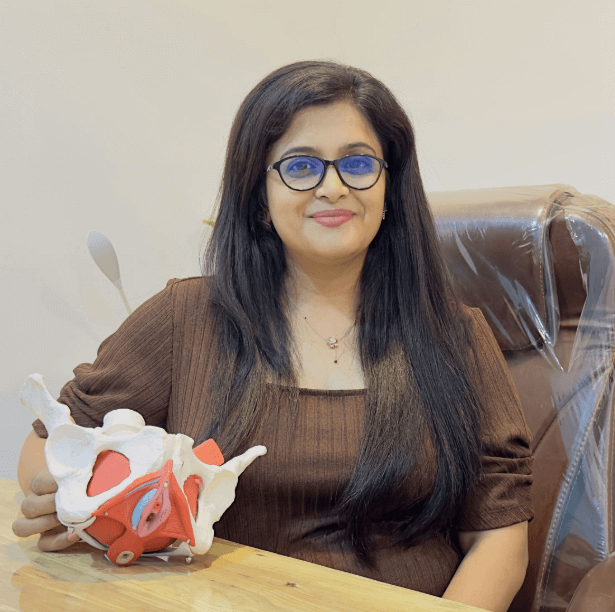
Dr. Ashwini Kale is the founder of ‘Pelviheal Academy Of Rehabilitation and Research’. She is working as a Professor in Anand College of Physiotherapy, Aurangabad. She is a recognized leader in pelvic floor rehabilitation in India and has completed her PhD in Physiotherapy with her doctoral research on “Postnatal physiotherapy in the Indian context : Cultural impact and outcome of culturally suitable interventions in primiparous women”. She has completed her Fellowship in Urodynamics from Netherlands with a fully funded scholarship from Pfizer. She has completed her advanced course on paediatric pelvic floor rehabilitation from UMC, Netherlands.
Her achievements include international presentations, courses , multiple awards including the “Diversity Initiative Award 2023” at the APTA CSM 2023, and the establishment of Pelviheal Academy of Rehabilitation and Research.
She is the editorial board member of many prestigious journals and reviewer of pubmed indexed journals. She has to her name many national and international publications, book chapters and copyrights. She strongly advocates to bring pelvic floor rehabilitation to grassroot level in India by bringing awareness and overcoming cultural taboos. She has presented a paper in World Congress of Physiotherapy on the same topic.
She is working as a committee member working on a consensus project on ‘urinary tract affected by gynaecological pathology’ of the International Continence Society (ICS). She has ongoing research projects in collaboration with International Urogynaecology Association (IUGA).
Event Sponsors
We'd like to thank our sponsors, My Own Filo and Medbridge, for their generous support of this webinar event and their commitment to advancing pelvic health for postpartum women. To learn more about their products, click on the messages below.

🚨 Purchase Instructions for Non-Members
If you are a Non-Member, please create a user account BEFORE adding the course to your cart. Click on the "Create a User Account" button below. Complete the short user account creation form and return to this page when you are finished to proceed with your course purchase. This will ensure that you get login credentials and get access to the course materials in the Learning Center.
Without a user account, you risk losing your course progress and experiencing significant access issues. Creating a user account is free and important for a seamless and uninterrupted learning experience.
Create a FREE User Account
This purchase is non-refundable and non-transferable.